Over the Transom | 12.12.25
The Listeners, Old La Sal, and five heretical sermons

Hi! Welcome back. Here are a few reminders for our 2026 Traveling Workshops:
Today is the last day to apply to spend a week in the red rock canyons of Moab, UT. You have until tonight at midnight — don’t miss your chance! The workshop will take place March 15 – 22, 2026. Apply here.
Applications are now open for Catalina Island, taking place April 19 – 26, 2026! Spend a spring week making audio in this beautiful seaside community. Apply here by January 9, 2026.
Keep an eye on our Traveling Workshops page for the remaining cities and their applications.
What’s new on Transom
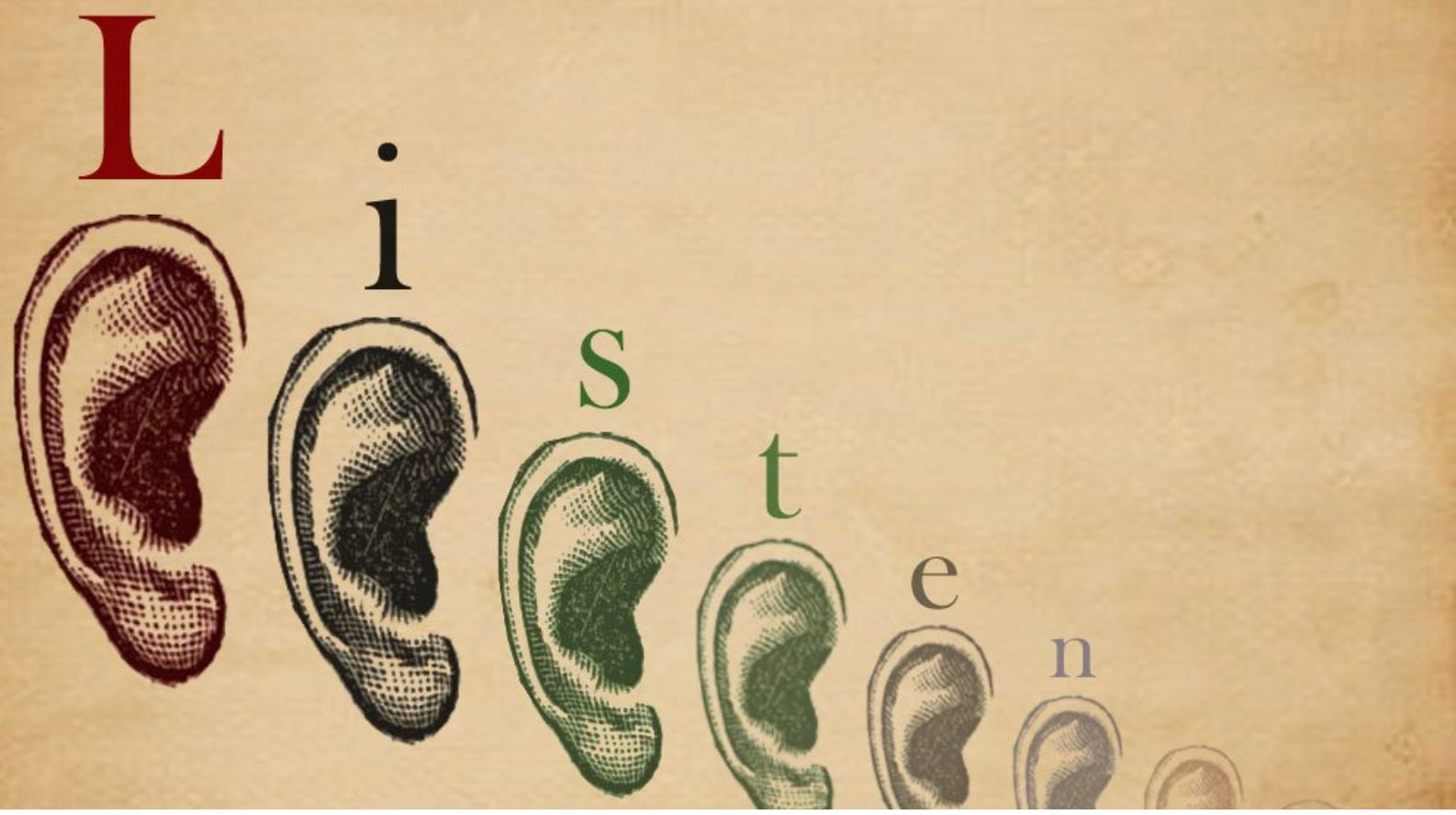
We’re inviting everyone and anyone who makes audio to respond to our call to listen. The idea is a simple one: we want you to go out and make hyperlocal, documentary-style portraits that help us listen to one another again.
Inspired by the work of Studs Terkel, Erica Heilman of the Rumble Strip podcast, Humans of New York, Radio Diaries, and others, The Listeners is a return to public radio’s original ethos: highlighting stories that appreciate the poetry of everyday life.
We’ll publish more guidance in the coming weeks, but the heart of it is this: we hope to promote stories that are real, rooted, artful, and true. Stories with attention to regular, often unheard people from our communities. Stories about all the unimportant things that happen between the important things.
Here’s what Transom’s Executive Director Sophie Crane has to say about the project:
Our hope for The Listeners project is to inject poetry into the airwaves (and the airpods). It’s to — for a moment, at least — set aside stories that are national in scope for stories that are much, much smaller, but no less important. When you listen to a story from this series, we want you to feel a deep sense of place.
For more information on the project and how to join us, visit the link below:
More to explore on Transom.org:
The latest Sound School episode revisits a conversation between Rob Rosenthal and producer Jazmine T. Green about expanding the way we talk about audio stories.
Take a listen to some of the stories high schoolers told Sam Broun for her Small True Things series.
From The Listeners
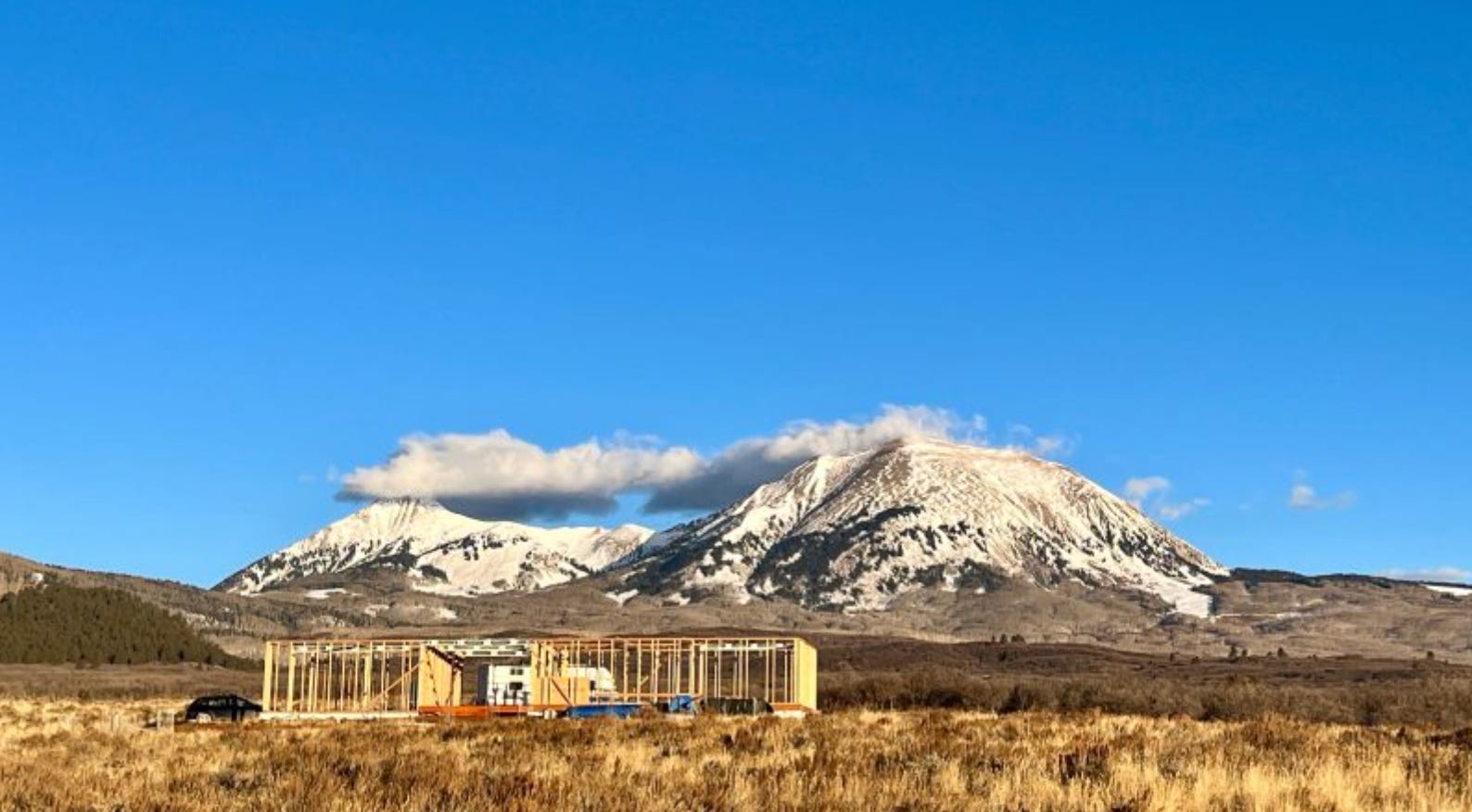
Old La Sal by Scott Carrier
Scott Carrier has always been a singular voice, making radio in a style that is deeply resonant and unlike anything else you’ll hear. Putting on headphones and listening to one of his stories is like being sucked into a new world. Which is why there is no one better to kick off The Listeners with this inaugural story.
Carrier is building a house on the sparsely populated land of Old La Sal in Utah. He’s been trying to figure out how to live in a place so remote, recording it all as he goes. He talked to his neighbors and asked them questions; letting them take the reins of telling the story of the place. The result is a meditative, human, slice-of-life piece, and a perfect taste of what we’re trying to do with The Listeners.
I knew what I wanted — people who sounded like the place where they live. This place, Old La Sal, has almost no sound of its own. The mountain is huge, but silent. So how do people sound when they talk about what it’s like to live here? I hoped to convey, through human voices, what you can see by standing here, what it feels like to be here.
My narration had to be minimal, and yet it is my story, so I had to tell it, somehow. Finally, I realized I had to say something about how my own reason for being there, for wanting to build a hideout, was something I shared in common with my neighbors. Not everybody, for sure, but many. I had to talk a bit about my own trauma problem. And this gives the story some structure. It sounds easy, but it took me a while to figure it out.
I’d like to go back to the idea of finding people who sound like where they live, because it’s something we can do, on the radio, or whatever, by listening. What we imagine by listening may not be accurate, but it feels whole or full, or true.
Tip of the week: five heretical sermons
In 2016, Transom Founder Jay Allison delivered a speech on the opening night of the Third Coast International Audio Festival. It was a ‘provocation’; a call for producers to push boundaries and think outside of conventions. There’s the stuff that works, sure, but then there’s the stuff that only you can make. And it has value too, Allison said.
We hope you’ll get out into the world and join the movement we’re starting with The Listeners. Before you do, read this piece. It offers some inspiration for how to do it and the kind thing we’re looking for.
Sermon 1: Don’t Ask Permission
You want to get on the air, be on a show, have your story out there — but as you make your pitches, keep something precious in reserve and don’t pitch it. Just make it. Don’t even really plan it or predict what the narrative or sound will be. Just follow it and see what happens.
Be dogged in the expedition. The joy of this work is the exploration and discovery — both of which are antithetical to pitching, which even for the best of us, can inadvertently cripple the imagination by determining your trip before you walk it.
Walk in the dark, microphone extended, and don’t ask permission.
Sermon 2: Be Odd
Here’s the convention: Listen to the work you like or shows you want to be on, and then work in that style. Okay. But also: Don’t produce in someone else’s mold; don’t subscribe to someone else’s existing theory of narrative, musical tone, structural traditions, in a voice we’ve already heard. Find a new one. Make something we’ve never heard before.
Sure you can copy, and learn from the exercise, but sometimes: Be a poet. Be odd. Stick out.
I miss the whacko fringe in public media. It’s important, because the edges can move the center. So, nourish the Fringe in yourself.
And, while you’re at it, as useful as group edits can be, choose not to submit to them sometimes. Groups can make things that sound like groups made them. The edges are worn off, the individual fingerprint gone.
How fine it is to see someone out on a limb by themselves. That’s how new things happen — by following a seemingly crazy impulse. You will fall and fail sometimes, but it can be important, for yourself and for others who witness your risk. Once in a while, fail nobly, on your own.
Community corner
This week’s question: What do you think about The Listeners? Do you have questions about the project? Drop them in the comments!