Over the Transom | 10.03.25
Making the reporting sound conversational, those tricky plosives, and racing pigeons

Hi there! Two things before we get started:
Transom recently launched an exciting new resource for audiomakers everywhere! You can now book one-on-one help sessions with our intrepid Tools Editor, Jeff Towne. Let Jeff help you with your thorniest technical questions and most problematic Pro Tools sessions. Learn more and book a session at the link below:
Transom’s inaugural Science Storytelling Workshop was featured on Rhode Island Public Radio’s Possibility podcast! Executive Director Sophie Crane joined the hosts along with scientist and participant Kathleen Savage to talk about the workshop. Listen below, and stay tuned for details about another science-focused workshop in DC this fall.
What’s new on Transom
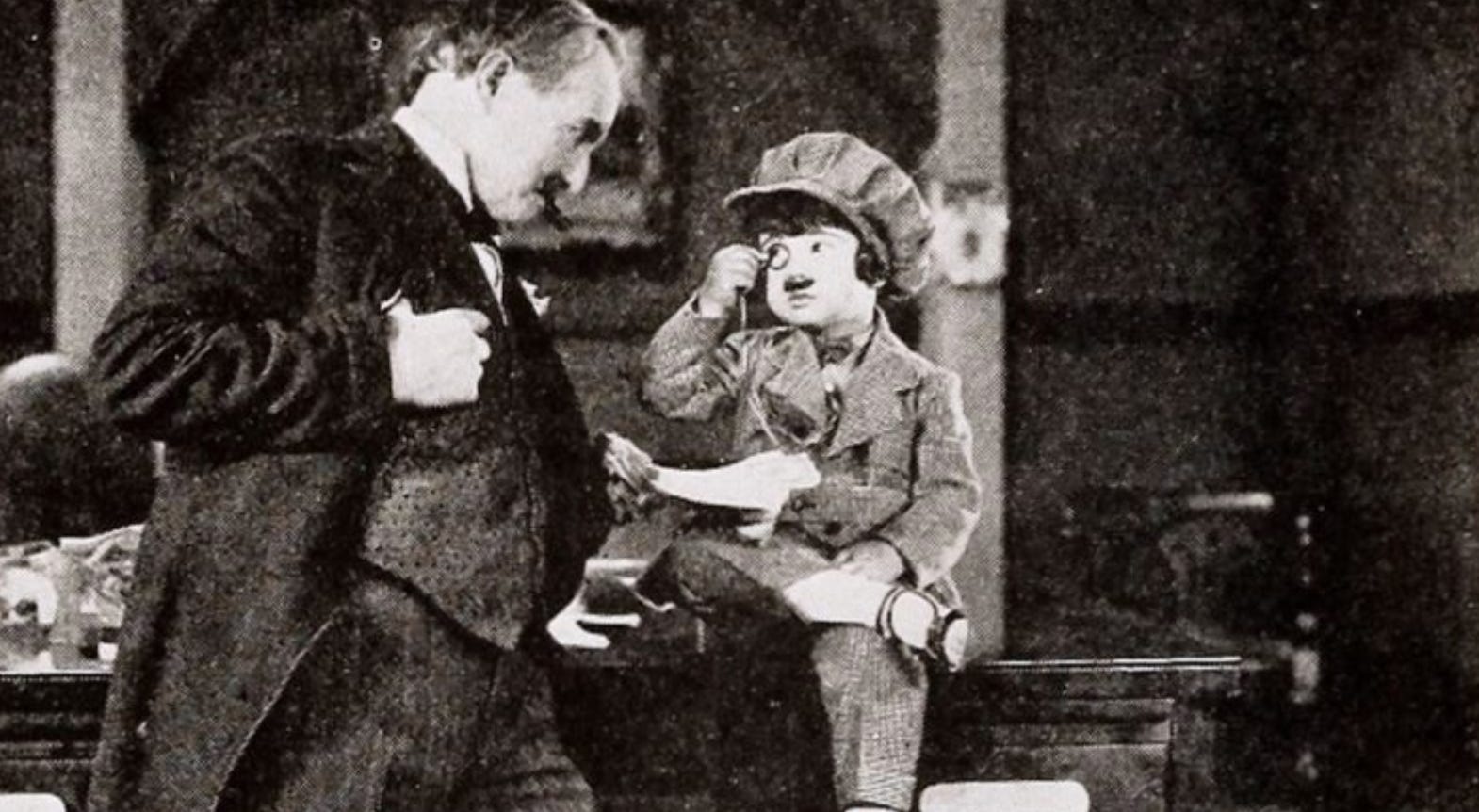
Host Sits Down With a Reporter by Rob Rosenthal
It’s a style that Radiolab and many others do really well. The reporter, who has done all of the interviewing, researching, and writing, gets in the booth with the host and tells the story they know so well. The result is a conversational iteration of the beats. Piece of cake, right? Wrong! In order for this to sound natural and for the story to be coherent, there’s a ton that goes into a successful “host sits down with a reporter” . On the latest episode of Sound School, Rob Rosenthal dissects the approach Eric Roper and Melissa Townsend took to make the Ghost of a Chance podcast from the Minnesota Star Tribune sound seamless.
Step 1 – Eric researched and reported the story. Melissa reviewed what he gathered to get a sense of the arc of the story.
Step 2 – Melissa and Eric talked at length not on tape. That would come later. The focus of these chats was Eric’s important moments of discovery.
Step 3 – Melissa used the ole Post-It Note method. She assembled the plot points of Eric’s research on color coded notes and stuck them to the wall…
More to explore on Transom.org:
Check out our curated Tools section of the website, where Jeff Towne has expertly reviewed gear, demystified Pro Tools, given step-by-step guides to file recovery and much more.
Tip of the week: dealing with P-pops and plosives

Getting that warm, rich, and close sound of someone’s voice is what we all strive for when recording. But depending on the type of microphone you use, the distance you hold it from the person’s mouth, and the natural quality of their voice, problems can arise in the closeness. One of those that you may be familiar with is colloquially known as the ‘P-pop’. Why do they happen, how do you avoid them, and how do you fix them in post? Jeff Towne has the answers and solutions in this extensive analysis of those tricky plosives.
From the archives
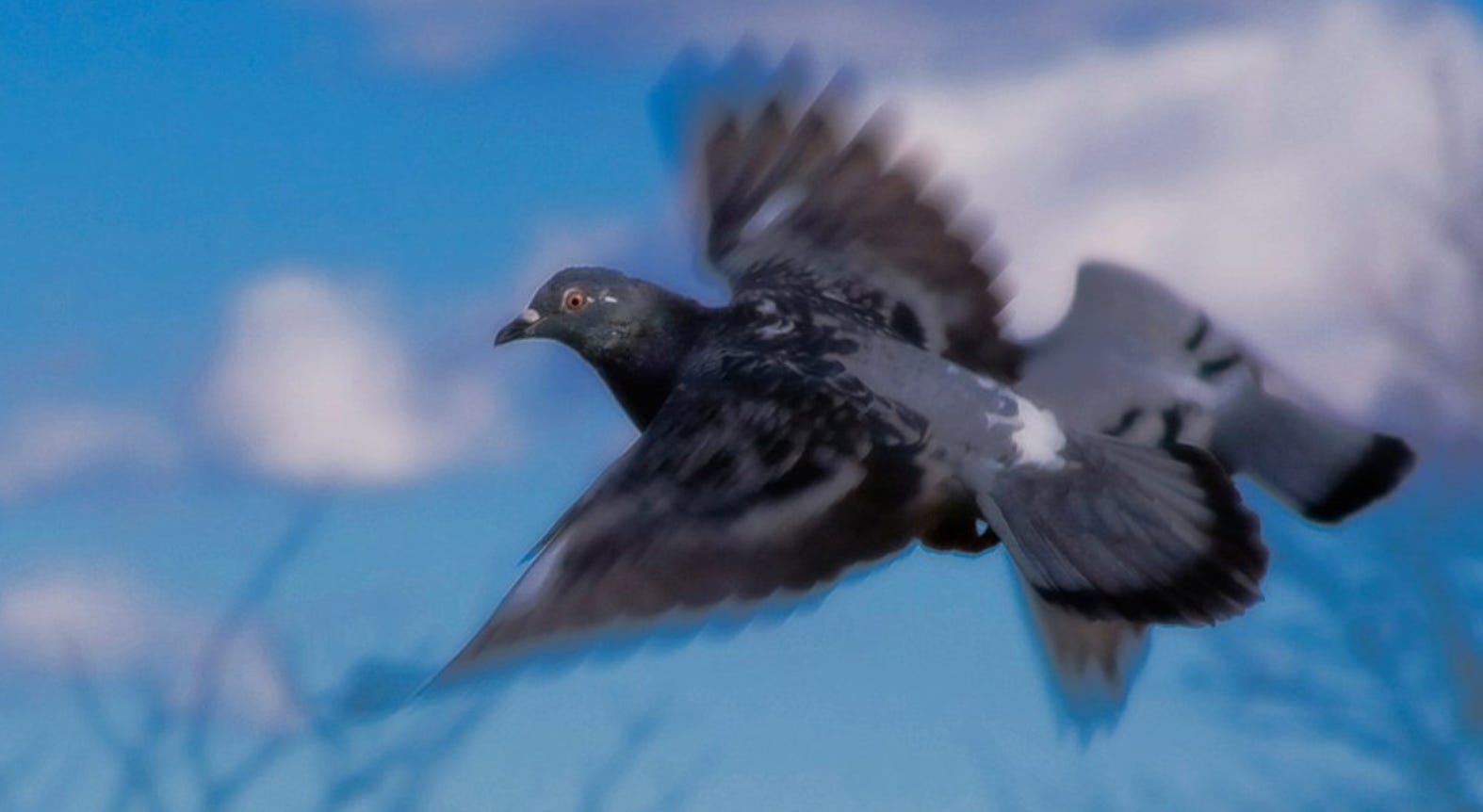
Flight by Abdi Iftin
Racing pigeons was always a constant for Abdi Iftin. Even as his city — Mogadishu, Somalia — was torn apart and destroyed by the war, Iftin kept finding his pigeons. It looked different when he got to America, but he found them here too. In this 2016 piece, Iftin documents the way his life has mirrored his birds’.
“Class discussion, and talking with the students helped me shape my story. This became a story of me and my pigeons compared to the pigeons in the US. Even though the size, colors, and everything else were the same, the pigeons in the US wear electronic chips, eat healthy food, and stay in fancy lofts, which took me by surprise. Writing the script of this story has not been hard, but voicing it was a bigger challenge. I had put all my thinking hats into figuring out a way to record it. But eventually not reading my own script but instead remembering the moments as I spoke helped make my voicing sound natural.”
Community corner
This week’s question: What are you listening to or making lately that excites you? We’d love to hear about it in the comments!