Over the Transom | 08.07.26
Amherst workshop highlights, letting sound do the talking, and Oh Brother

Hi there! One announcement:
We’ve teamed up with Audio Flux for their latest circuit! The theme is Confection, and we want bite-sized audio stories about unexpected conversations, close-to-home discoveries, and the people who quietly shape our lives. And dessert! Check out the prompt and more details at the link below.
What’s new
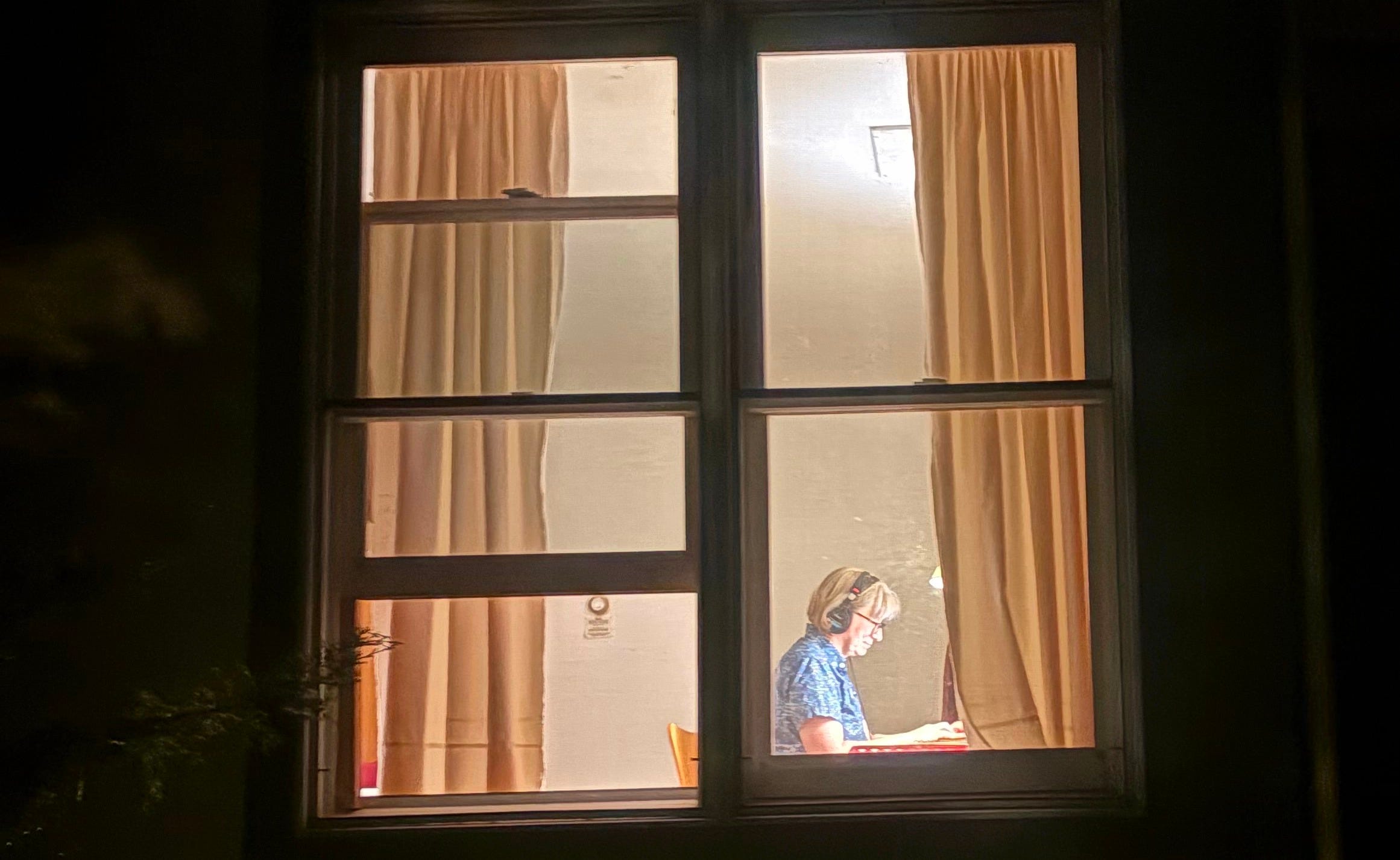
The Transom Traveling Workshop in Amherst, MA wrapped last week! 11 students hailing from as far and wide as New Zealand and Oregon spent the week at the Cherry Hill Cohousing Community. Led by David Weinberg, they learned the audio ropes and made their workshop pieces about local stuff like witches, birthday cakes, and a road named after a massacre. Listen to this one from Diane Kelly, pictured above, about a 69-year-old female scientist who specializes in the super complicated devices that make research possible. It’s called “Burning Woman”:
More to explore on Transom.org:
We’re six weeks away from Transom 25! Take a look at the schedule of events and speaker information for the weekend here.
Listen to the latest episode of Sound School — a playlist of audio that Sounds Cool!
Tip of the week: let the sound do the talking
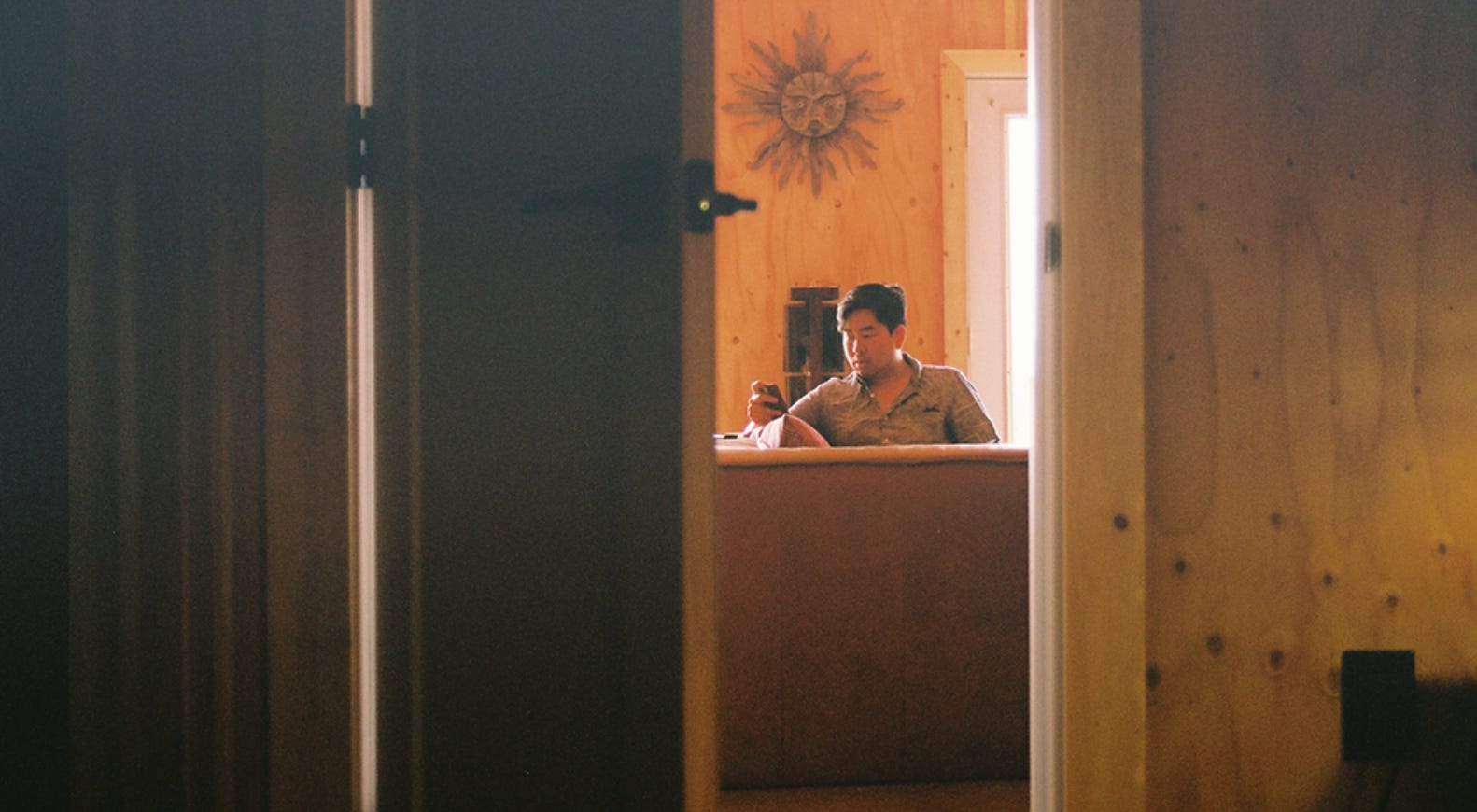
The archives of Alice Wilder’s “Starting Out” column for Transom are chock full of great advice for producers, both old and new. In 2023, Wilder interviewed James Kim, host and creator of the fiction podcast Moonface and producer of nonfiction audio documentaries at NPR and Spotify. They talked about coming to audio from other mediums, making fiction pieces, and how to find your voice by letting the sound do the talking.
Alice: How did you find your creative voice? Or figure out what a James Kim story sounds like?
James: Like I said, I didn’t grow up on NPR. I didn’t grow up on any of that stuff, so the things that I was attracted to weren’t language based. It was music based and sound based. It’s really because I’ve always, my entire life, felt that I wasn’t good at speaking or at writing. I’d turn in essays and they’d just be marked up.
Even in my first pieces of radio, my scripts were all redlined with so many edits. I felt so insecure about my writing abilities and my language abilities. I grew up not knowing Korean well or English well, so I rotated. My communication and my language was sound.
When I was making my own pieces, I kind of realized that I don’t like putting so much writing on the page. Even when I was making documentary pieces, I wanted to always let the sound do the talking, and make people feel emotion, not through the words, but through what they’re hearing. So that, I think, at its kernel was like… it was because of my fear of not being grammatically correct that pushed me further into using a lot more space, or using different techniques, to tell a story other than language. That to me is what I gravitate towards. I know that in Moonface, the number one comment was about the amount of silence that’s there. I was just drawn to things that weren’t language.
From the archives
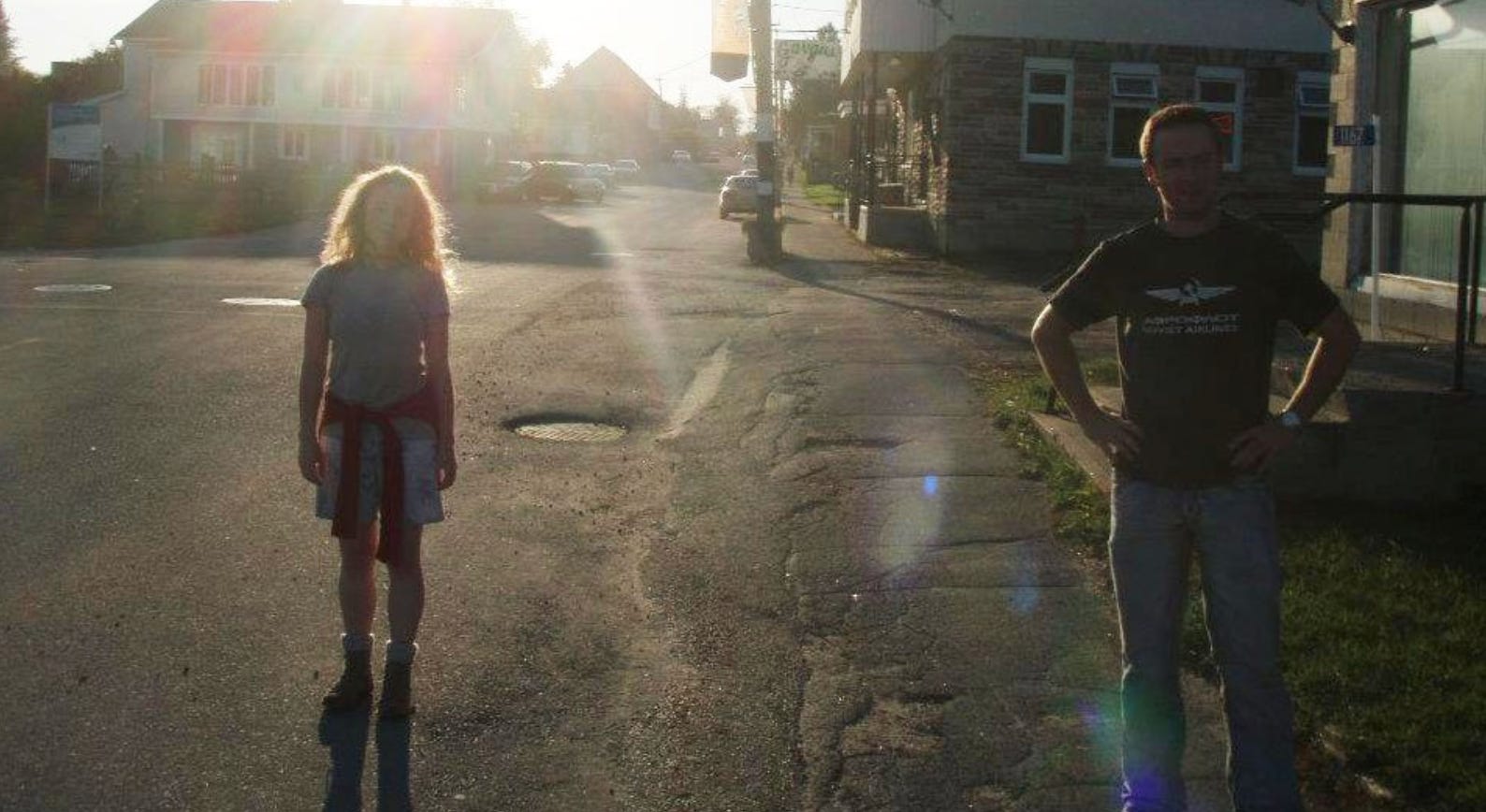
Oh Brother by Annie McEwen
Sometimes a story becomes like “a blood clot you can’t ignore,” as producer Annie McEwen wrote. For the 2013 Transom Story Workshop, McEwen found that the story she couldn’t ignore was the one about her brother, Ted, and his place in her family. So she told it — but not without risk. “Finally I’m prepared to risk the sibling game we play,” McEwen says, “in order to gain something better.”
I knew how it would start, but I had no idea how my brother would react to what I had to say to him. This made making the piece scary as hell, but also kind of interesting — I don’t know what’s going to happen next and neither does the listener. I think you can hear this in my voice and you can hear the change in my brother’s voice as we begin to talk about something we’ve never talked about before.
Community corner
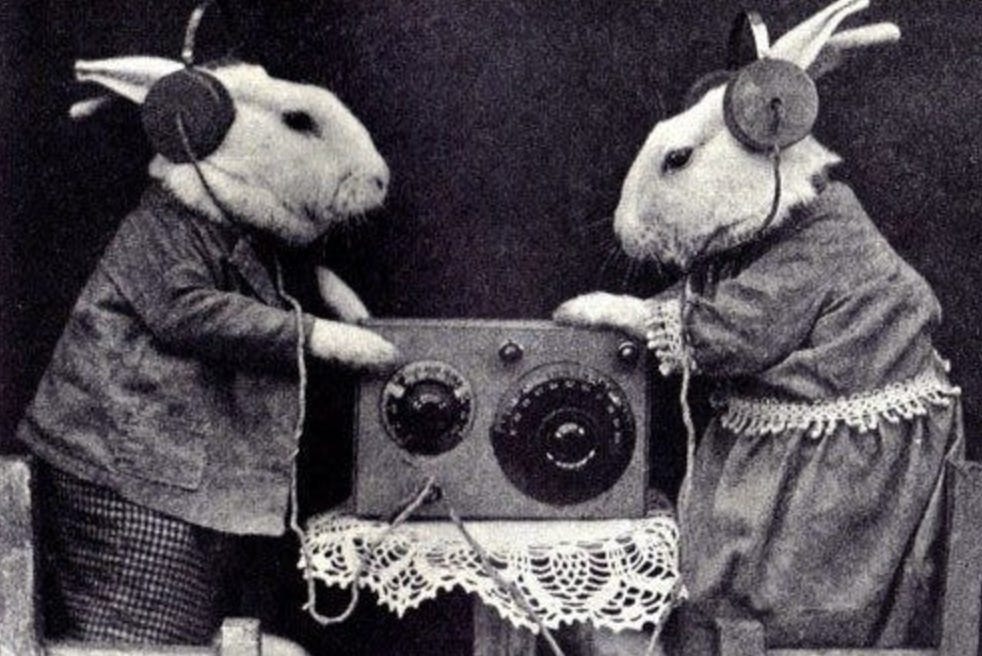
This week’s question: what ideas come to mind when you hear the “confection” theme for Audio Flux Circuit 08? Brainstorm in the comments!