Over the Transom | 06.27.25
Erik Barnouw, reporting in dangerous situations, and forgiveness

Hi there! Hope you’re having a great summer.
We kicked ours off this week with the Transom Story Lab’s inaugural Science Storytelling workshop — our effort to help combat misinformation and distrust of science, and give scientists the storytelling chops they need to communicate to a wider audience. The wonderful Meg Bowles flew in from Sweden to teach 11 scientists skills of human centered storytelling. The scientists — all Woods Hole locals — represented the Woods Hole Oceanographic Institution, the Woodwell Climate Research Center, USGS, and more. After three intensive days of training, they told their stories live on stage in front of a sold out crowd. It was a joyful celebration and a huge success — and we’re excited to share their stories with you soon. Stay tuned for that in the coming weeks…and also for more workshops like this around the country (if you’re interested in bringing it to your neck of the woods, reach out to Sophie at sophie.crane@transom.org). Many thanks to our presenting sponsor, Research Theory, the Chris and Mary Diorio family fund, and to everyone who helped make this possible. We’re going to broadcast the stories and will have a write-up and videos up soon on transom.org, but for now, enjoy a few photos of a spectacular night.


Photo credit to Liz Lerner
What’s new on Transom
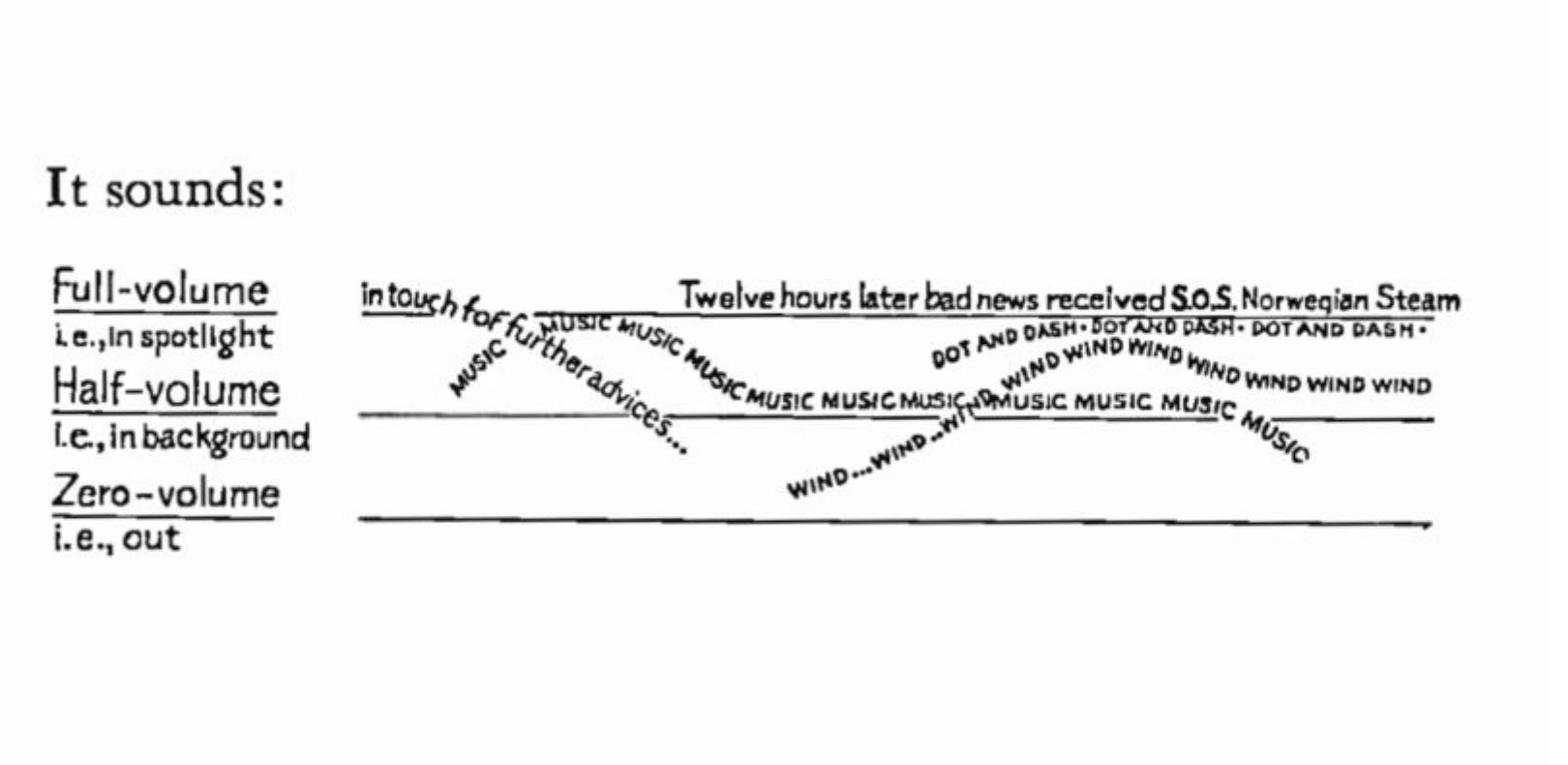
Audio Ancestors: Erik Barnouw by Julia Barton
In the third installment of the “Audio Ancestors” series, Julia Barton writes about the life and career of early radio champion Erik Barnouw. In 1929, the world of radio was new and lucrative, and Barnouw got his start working for an advertising agency supervising a number of popular programs. But he left advertising behind to teach a brand new radio-writing course at Columbia, where he stayed for decades and showed writers like Pearl Buck and Bernard Malamud how writing for the ear was done. “Because he worked in the media business off and on for years,” Barton writes, “he was both an eyewitness and chronicler of the personalities and institutions that shaped the work we still do today.” In the piece, Barton writes about Barnouw’s first book — Handbook of Radio Writing — which still proves relevant today.
‘Barnouw’s introduction to the book is canonical. “Never in the previous history of mankind had orators made a regular practice of directing orations toward a man sitting alone in an armchair with his feet up,” he says. “Never before had huge dramatic productions been staged for the entertainment of this same casual individual. More puzzling still, never before had all these activities been directed toward an auditor who could not see nor be seen, and who was really contemplating not a performance but something in his own mind.”’
More to explore on Transom.org:
All Hear’s June edition is live! Check out tons of audio opportunities, including RESONATE’s Pitch Party, which offers $10,000 for one aspiring podcaster to create a pilot.
Listen to the latest episode of Sound School from Rob Rosenthal, which is about how to braid together scenes, stand-ups, and narration in an audio story.
Finally, a quick note that the workshop coming up in Berlin has a spot or two left, more details here.
Tip of the week: reporting in dangerous situations
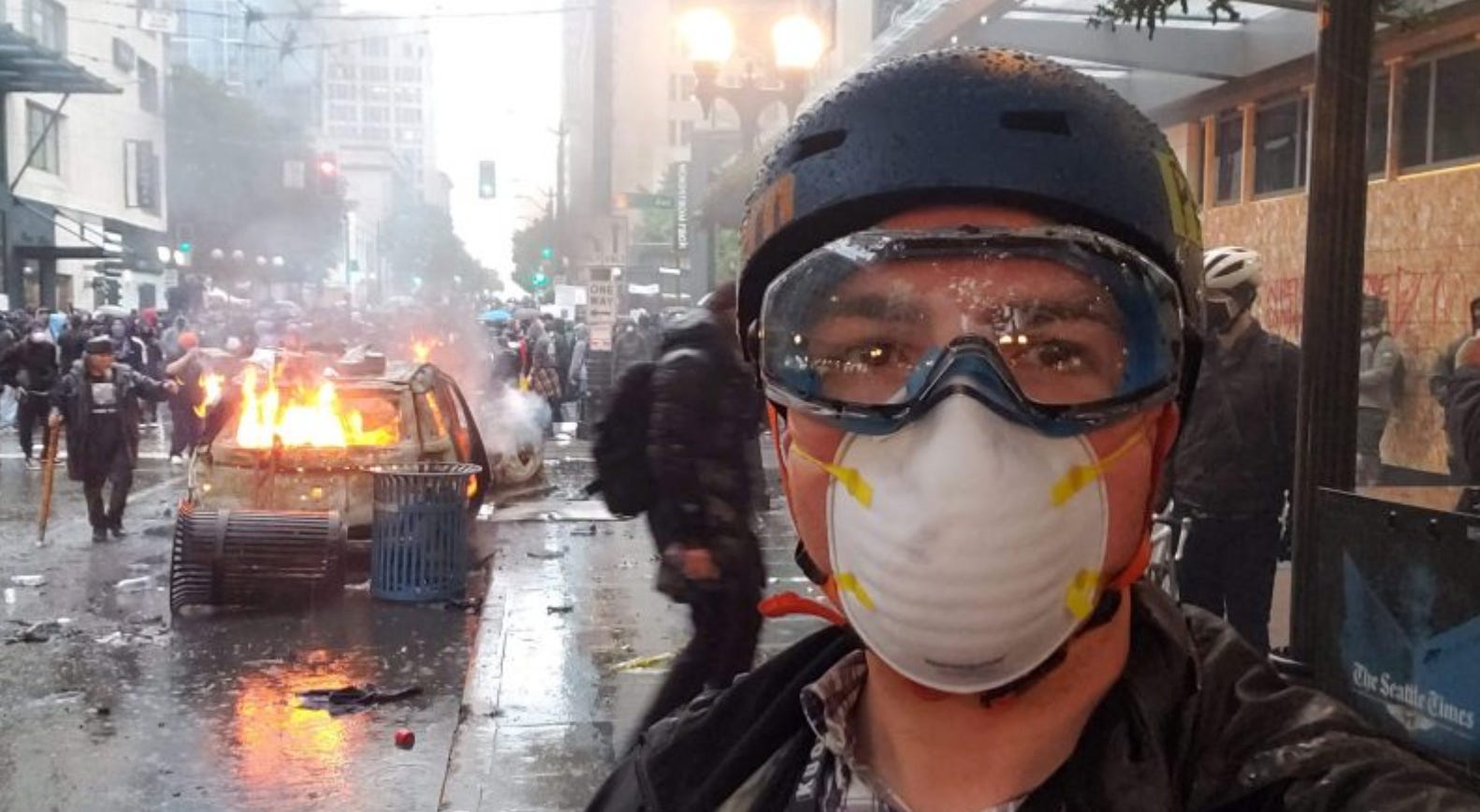
KUOW reporter and Transom Story Workshop alum Casey Martin is often out in the field documenting the news as it happens. He covered the protests that took place in Seattle in the wake of George Floyd’s murder, when a group of activists occupied several blocks of the city. In a 2021 episode of Sound School, Martin spoke to Rob Rosenthal about what to do when reporting gets dangerous. He also wrote out a detailed list of what to pack, what to wear, who to call, and how to recover after reporting from the frontlines of intense situations.
“I did not emotionally prepare for this kind of reporting at first. I just threw on a mask, grabbed my bike helmet, and went to face the tear gas. Big mistake. Loud noises make me jump out of my shoes and I still have nightmares of people screaming and running from police. I’ve since learned to do some mental preparation, just like I do for my physical safety. Before heading out, I remind myself to look for escape routes, and to not get closed in by a crowd or group of police. While in the field I take frequent breaks: simply walking away from the action, pulling off my mask to get some fresh air, drink some water. During these breaks I text my fiancé for support and comfort. We always joke around to keep it light. Like my bosses always tell me: I can leave the moment I feel too overwhelmed or in danger. No story is worth your safety or sanity. I’ve also started therapy to help distance myself from the trauma, reminding myself this is just a job — not who I am.”
From the archives
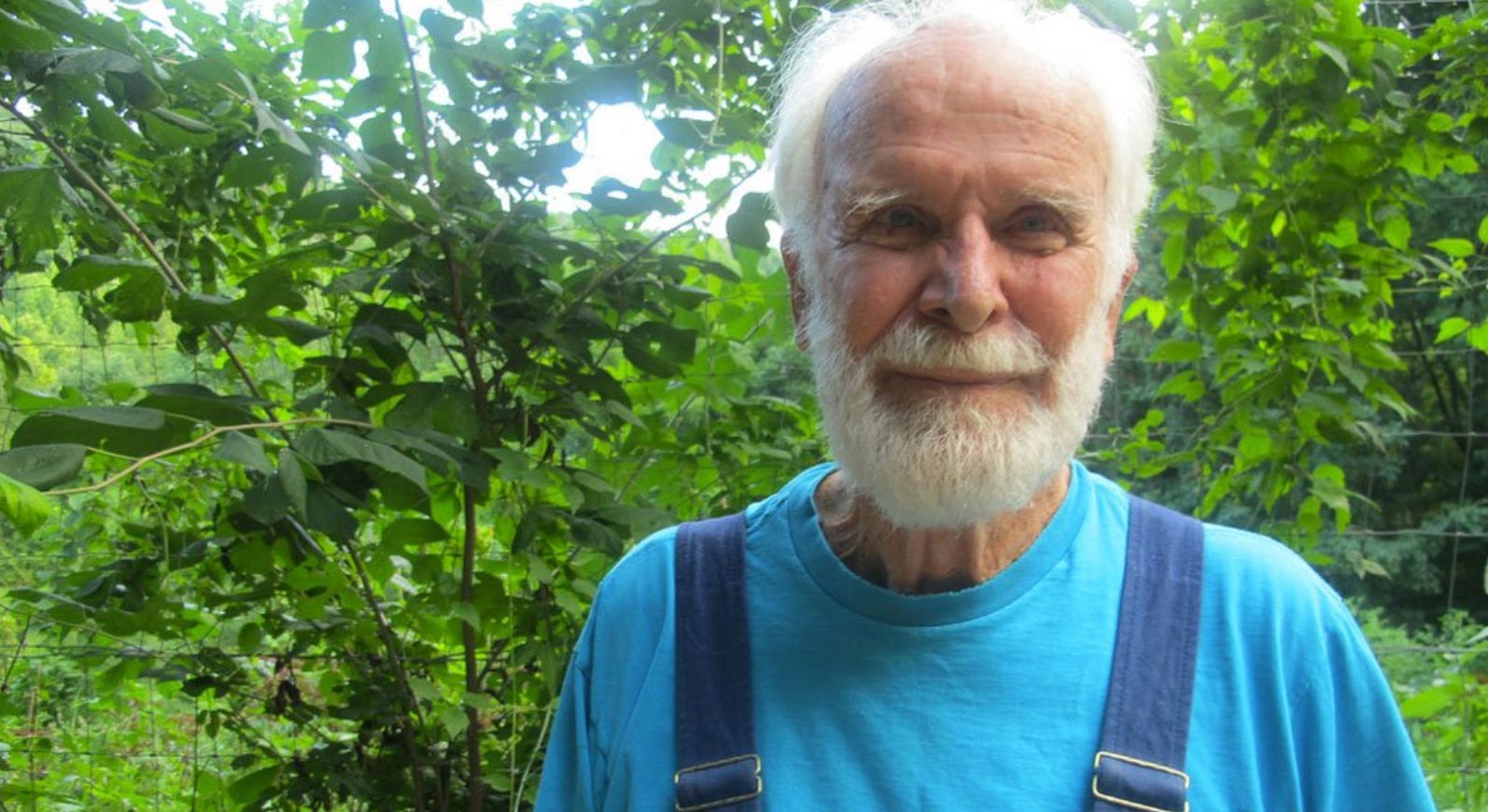
Forgiveness by Bianca Giaever (with help from Jay Allison)
Sometimes, remarkable stories pop up when you’re looking for something completely unrelated. And you just have to see them through. That’s what happened when Bianca Giaever met Hector — the storyteller in this piece from 2012. It’s a short meditation about race, family, murder, transformation, and forgiveness.
“I liked Hector’s narrative because it subtly challenged my beliefs and raised larger questions on forgiveness. I knew forgiveness was a good thing, but how far could you really take it? Weren’t some things just unforgivable? And of course, I wondered if I would be able to do the same thing if I were in his shoes. I also love the moments in the piece when you can hear him continuing to wrestle with these questions, even after so much time has passed. I was inspired by his refusal to accept stagnancy even in old age.”
Community corner
This week’s community question: What’s the best story you found while you were looking for something else?