Over the Transom | 06.26.26
The Birthday Party: America at 250, from written essay to audio, and remembering Elizabeth Arnold

Hi! One reminder before we get started:
We’re hiring for THREE positions here at Transom! A full-time Programs Director, a full-time Operations & Development Director, and a part-time Communications Manager. Join us! Apply by next Wednesday, July 1st.
What’s new on Transom
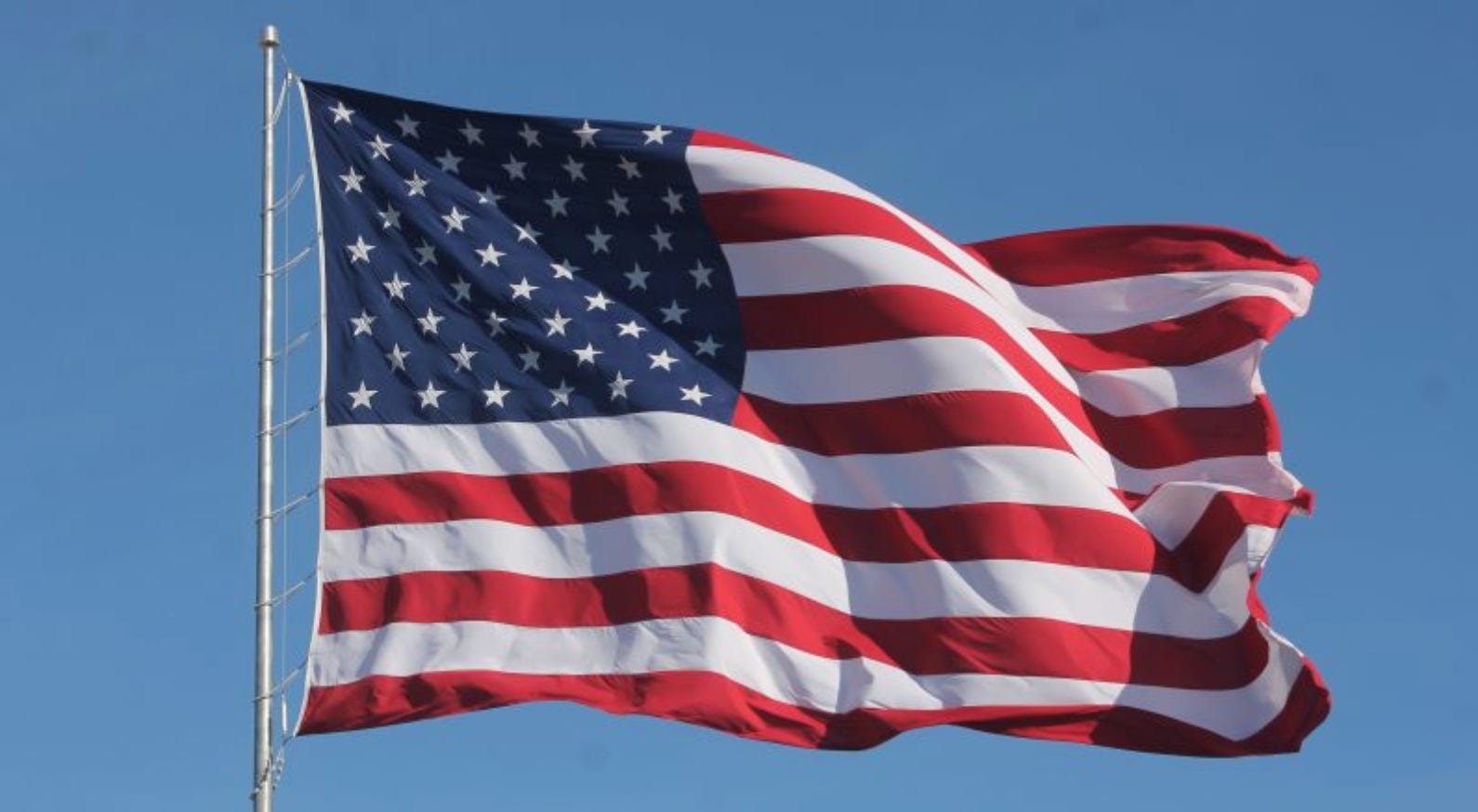
The Birthday Party: America at 250 by Sophie Crane
After Transom launched The Listeners, the historian Jill Lepore came to Executive Director Sophie Crane with a documentary made by the National Park Service for the bicentennial in 1976. In it, Americans around the country were asked what the anniversary meant to them and how they planned to celebrate. Lepore said it reminded her of The Listeners — everyday people talking about what it feels like to live here.
Lepore was working on putting together an installment of The New Yorker Radio Hour for America’s 250th, and she wondered if Transom could create a piece that took inspiration from the NPS documentary. It was an easy yes.
Together with producers Erica Heilman, Yohance Lacour, Eve Abrams, Scott Carrier, Jenny Ament, and David Weinberg, this piece capturing the thoughts and opinions of Americans was born. Listen here:
The Listeners is spreading, just like we hoped it would. As a result of our collaboration with Lepore and The New Yorker, The Prison Journalism Project made a piece of their own. They asked incarcerated folks around the country what being an American means to them. Here’s what Editorial Director Mason Bryan had to say about it:
When I heard the episode that Transom produced with The New Yorker Radio Hour, I knew in my bones that we needed to do something similar with our community of incarcerated writers. These Americans deserved to have their perspectives included in the larger mosaic of reflection that Transom and others have helped create this summer.
Listen to the piece they made here:
More to explore on Transom.org:
Listen to the latest episode of Sound School, where Rob Rosenthal lays out tricks to improve audio essays.
Tip of the week: from written essay to audio story
Cloe Axelson is the editor of Cognoscenti, WBUR’s essay and opinions desk. “Cognoscenti” is an Italian that translates to “people in the know.” Most of what Axelson works on is written and for the web, but she also converts a lot of the Cognoscenti pieces into audio stories for Morning Edition and other shows. Her advice for this process of conversion? Think of it like juice:
When I was a kid, my parents never bought Tropicana in the half gallon container, instead, they’d get the frozen orange juice concentrate. We’d spoon out the frozen cylinder into the pitcher, add water, give it a stir and voila. I like to say that the radio edit of a Cog essay is the “orange juice” concentrate version. It’s in conversation with the original essay, but a little different – pared back and written for the ear (instead of the page). We add nat sound when it’s available and often score it, though sometimes the author’s voice carries the piece on its own.
In a new piece for Transom, Axelson writes about what she and her colleagues do, how to pitch Cognoscenti, and ways to stay sane amid the slog.
From the archives
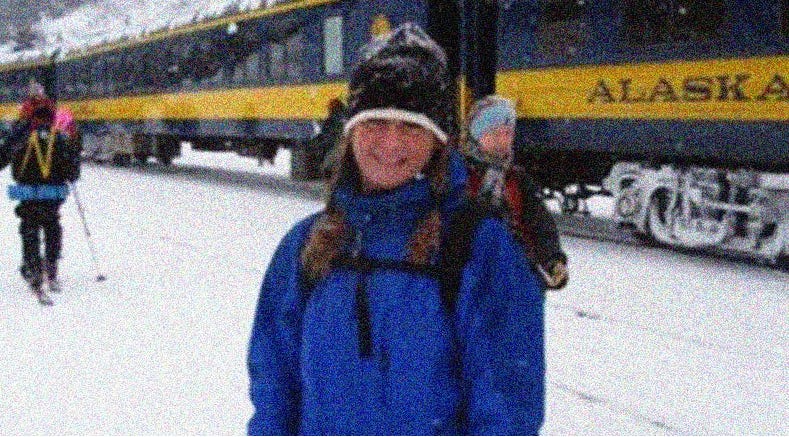
Remembering Elizabeth Arnold
Intrepid public radio reporter Elizabeth Arnold passed away last week at her home in Alaska. Arnold’s reporting took her all over — from the halls of Congress to the world’s deepest wilderness. And we were lucky enough at Transom to feature some of it. We will miss her and we hope you’ll check out some of the work she made. Like Stories from the Heart of the Land, and her manifesto on Transom, where she talks about reporting from a remote village in northwestern Alaska:
In the Yupik language and culture, there are no questions. One does not ask a question. It’s rude. Very rude. As in, you will never get an answer out of anyone rude. So, you hang out, and maybe just maybe, in the course of hanging out and talking and listening, some answers to whatever you are wondering might be forthcoming. It’s like asking your kid how school was? “Fine.” You get nothing. End of conversation. But, instead if you start telling your kid how lousy or great YOUR day was, you won’t even get a chance to finish before he’ll want to jump in with some complaint or triumph of his own.
So, I cut my teeth as a reporter in a community where questions were prohibited. I learned patience. I learned how to listen and how to ask questions with my eyes. I learned the importance of letting the tape roll through the silences. More importantly, I left that village thinking that every interview is a gift, that when someone speaks into my microphone, they are giving me something that I should treat with respect, even if it’s just an opinion about farmed salmon. Oh I know you are groaning and rolling your eyes but I’m talking ordinary people here.
Community corner
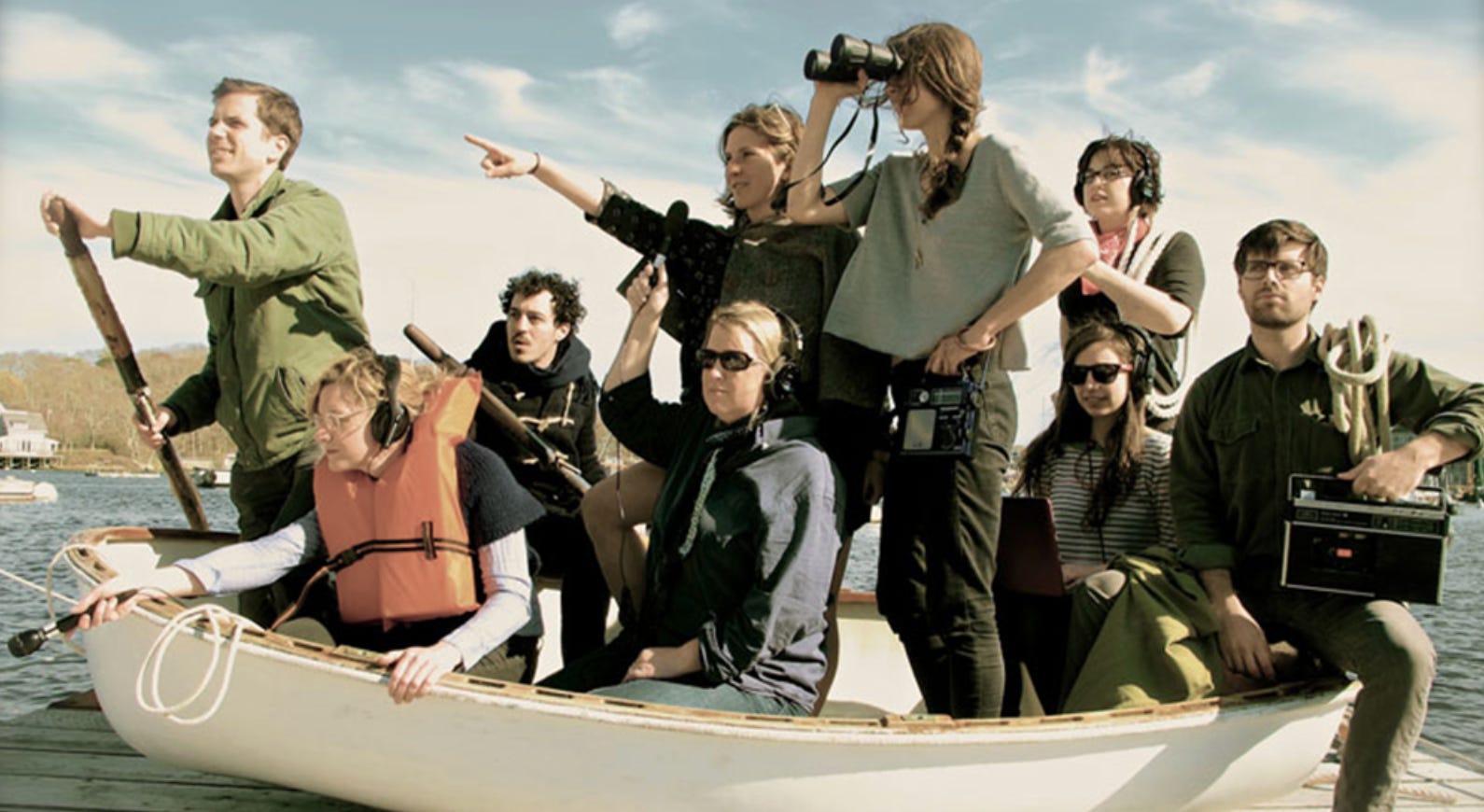
This week’s question(s): in the making of The Birthday Party: America at 250, Sophie Crane sent the producers the following questions.
Do you have any plans for the Fourth of July this summer?
What do you usually do on the Fourth of July?
Does this one feel different to you, the 250th anniversary?
Were you around for the Bicentennial? Do you remember what you did then?
Do you think much about the country’s history? The American Revolution? Does that mean something to you? Do you think Americans ought to be celebrating its anniversary?
The Declaration of Independence: ever read it? Got any thoughts about it?
Do you feel as though your family’s history is tied up with the history of the United States?
Ever go to history museums? Have thoughts about them? Or about how you learned American history, or what you wish you knew?
What do you think the U.S. will be like in fifty years, in 2076? What do you want it to be like?