Over the Transom | 05.29.26
Talking Fela Kuti, building editorial muscles, and Island Signs

Hi there! A few announcements:
Today is the last day to apply for our Traveling Workshop in Interlochen, MI! You have until 11:59 p.m. EDT tonight to get in your application to spend a week in beautiful northwest Michigan, nestled between two lakes, learning all things audio.
Join us next month in Woods Hole for a night of live science storytelling, hosted by Steve Junker with live music from Mariel Baumgarten. 7:00 p.m. in the Clapp Auditorium of Marine Biological Laboratory’s Lillie Building.
What’s new on Transom
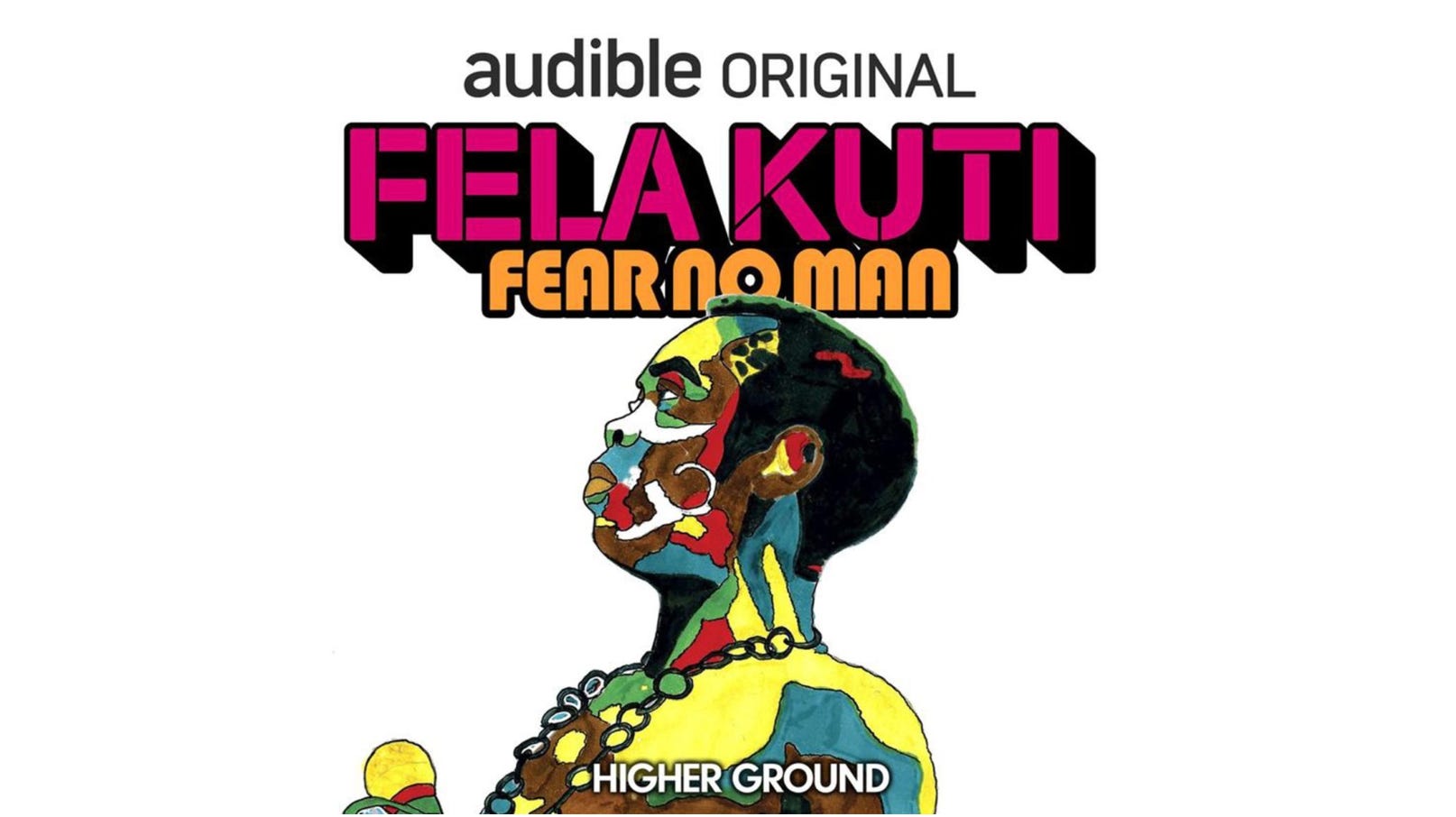
Jad and Fay Fay Talk “Fela Kuti: Fear No Man” from Rob Rosenthal and Sound School
In Fela Kuti: Fear No Man, Jad Abumrad asks: In a world that is on fire, what do we do with art? Over the course of this sound rich, impressively sprawling 12-episode series, Abumrad and his team tell the story of Nigerian musician Fela Kuti, and how his music changed the world. On the latest episode of Sound School, Rob Rosenthal spotlights a conversation about the making of Fela Kuti: Fear No Man between the host, Abumrad, and one of his producers FayFay Odudu. The two spoke on a panel hosted by Lesedi Mogoatlhe and the crew at Radio Workshop about the reporting, producing, and crafting of the story of this giant of a man.
ABUMRAD: FayFay you’ll remember this, one of the first things we did, we were trying to map out the series and we drew a river, right? We were like, this series needs to feel like you’re going down a river and each episode is an eddy in the stream. So you’re like, the music is the river that’s carrying you and then you get stuck in an eddy for a minute and that’s one episode and then you’re back on and then another episode. And so that was our visual metaphor.
And so in building this particular episode, could we make it so that the voices flow down the stream and each voice then gets stuck in an eddy and starts to loop? … Because the physics of this larger world, that’s what happens, right? The music is this all powerful force it then. Everyone gets stuck in the side of.
So we just had that idea, and then it was just trial and error forever. And it was playing it for FayFay and Ruby, and being like, does it, they’re giving you the thing? And they’re like, not really. So then you go back and you do it again.
And this particular episode worked for weeks on to try and like if at any point the dream gets broken, you’ve lost. Like it should feel like it’s just a constantly spinning dream that’s getting bigger and bigger and that was just like you pulling out every audio trick I could think of to, to reverbs upon reverbs and delays upon delays, anything to try and make that sort of world feel as big as it felt to these people when they were describing it to us.
Tip of the week: how to build your editorial muscles
When veteran editor Catherine Saint Louis made the jump from editing print stories at the New York Times to working on narrative podcasts, she knew one thing: there was a lot she did not know. Audio was a different beast entirely, and even though she’d been in media for almost two decades, she knew that she had to start at the beginning. Saint Louis is now the executive editor of podcasts at Sony Music Entertainment, and in 2021, she shared the tips that helped her build her audio editorial muscles.
IF YOU WANT TO BE A STORY EDITOR, DON’T JUST LISTEN TO PODCASTS, DECONSTRUCT THEM.
The thing that I did more than anything to set myself up well for being a story editor was to listen and deconstruct a lot of limited-run podcasts and well-reported narrative shows. It is time consuming and for me, it was all consuming. Eventually, I started to realize I was a story editor because I always had an opinion on how the podcast could have been improved with a structural change or by clearing up a confusing part or by making the stakes clearer. Listening widely strengthened my editorial judgment.
As I listened to narrative documentary podcasts, I was figuring out which characters stuck out to me as vivid and memorable, which cliffhangers didn’t work and why, which limited-run podcasts grabbed me from the first episode and which bored me. I quickly went from listening just for fun to critiquing what I heard. If a cold open was gripping, I would listen to it again and break down what worked and file it away in my brain. Like a lot of people, I listen when I’m running or on the subway. But if something strikes me, I open my notes mode on my phone and stop and write down something to help me remember that beat of the episode. Then when I get back to my desk, I might re-listen to that part of the episode, then write down the beats of the story to help me understand WHY it works.
From the archives

Island Signs by Dylan Peers McCoy
How do you make a radio story about sign language? Dylan Peers McCoy discovered that deafness was unusually common on the earliest settlements of Martha’s Vineyard, so as a result, they developed their own unique sign language. In her piece for the 2013 Transom Story Workshop, Peers McCoy tells the story of that lost language and the devoted islanders working to preserve it.
Community corner
This week’s question: what are your personal tips and tricks for building editorial muscles? Let us know in the comments!