Over the Transom | 04.18.25
Become a sustaining subscriber, how to build a narrative unit, and using music

Before we get to this week’s edition, one exciting announcement:
Although our posts will never be paywalled, you can now purchase a subscription to this newsletter and the funds will help sustain everything we do. Here at Transom, are committed to fostering the art of audio storytelling and honoring the original public service, educational, and creative goals of public broadcasting. But with sources of funding for the arts more precarious than ever, we need your help in order to sustain our mission. If you believe in Transom and want to help us preserve education for audio storytelling, please consider signing up for a subscription. You can do so by clicking the button below and choosing a tier: $7/month, $75/year, or become a Founding Member for $200/year. You can also make a tax deductible donation via our website. Thank you so much for your support!
What’s new on Transom
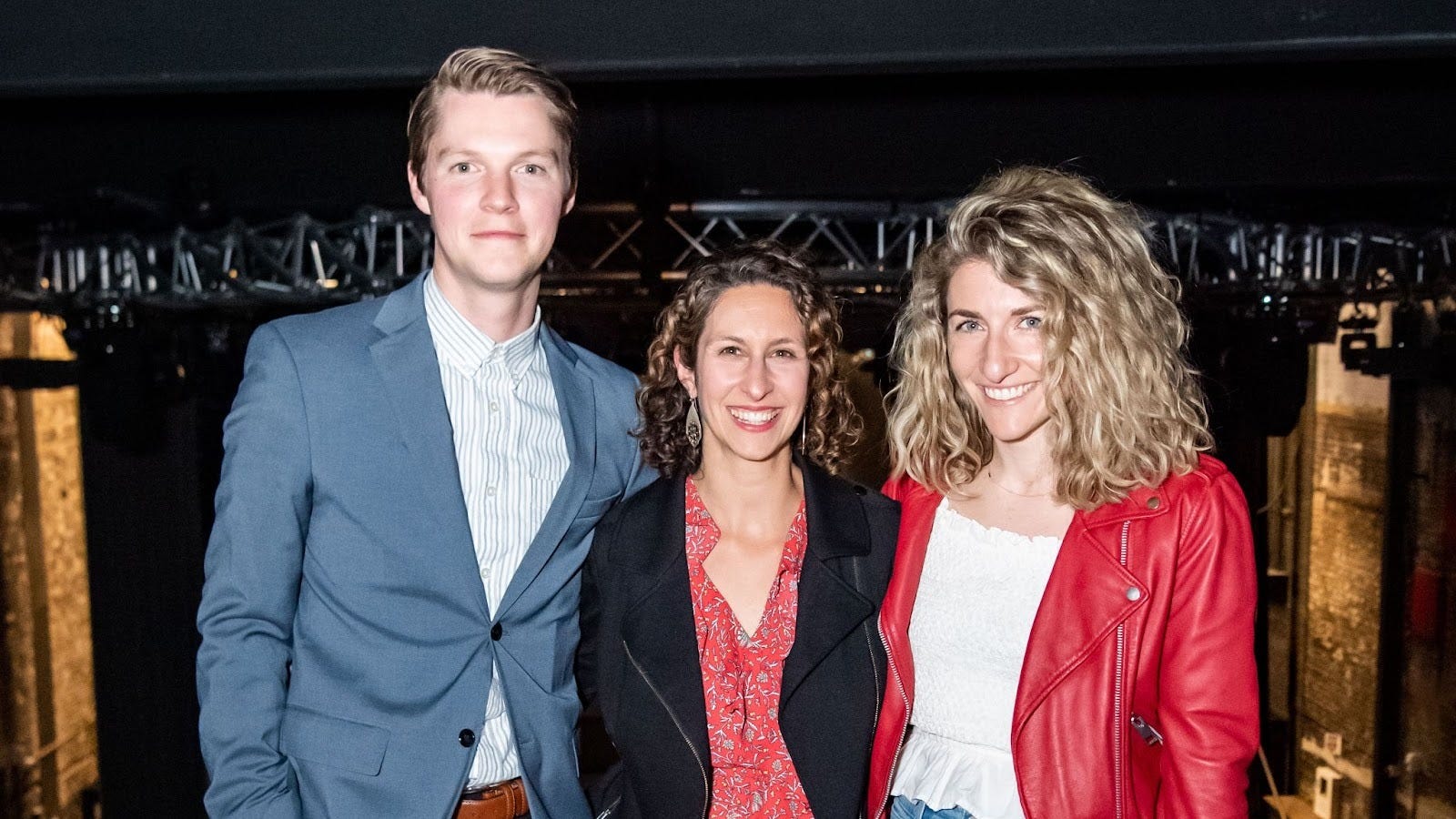
How to Build a Narrative Podcast Unit Inside a Newsroom by Katie Colaneri, Lauren Chooljian, and Jason Moon
New Hampshire Public Radio’s podcast department has become quite a powerhouse. With a Pulitzer Prize nomination for the series The 13th Step, the multi-season hit true crime podcast Bear Brook, and several other narrative series, the small but mighty team makes this challenging investigative work look seamless. So, how do they do it? On a public radio budget, no less? In this manifesto, the Document team lays out what it takes to get a narrative podcast unit up and running, including how to build a team and sell your public radio station bosses on the idea.
“Sometimes I get asked by others in public radio: “How did you get your station to let you do that??”
The short answer is: My station thought it was a good idea. My colleagues and I proved we could pull it off – and the work resonated with listeners. But in truth, it wasn’t that simple. And in the hopes that the longer answer might be interesting or useful… let’s go back to 2015…”
More to explore on Transom.org:
Read the April All Hear newsletter spotlighting NPR’s All Things Considered callout for short, experimental works
Listen to the latest episode of Sound School from Rob Rosenthal, a journey back in time to visit with the champions of old radio.
Tip of the week: using music
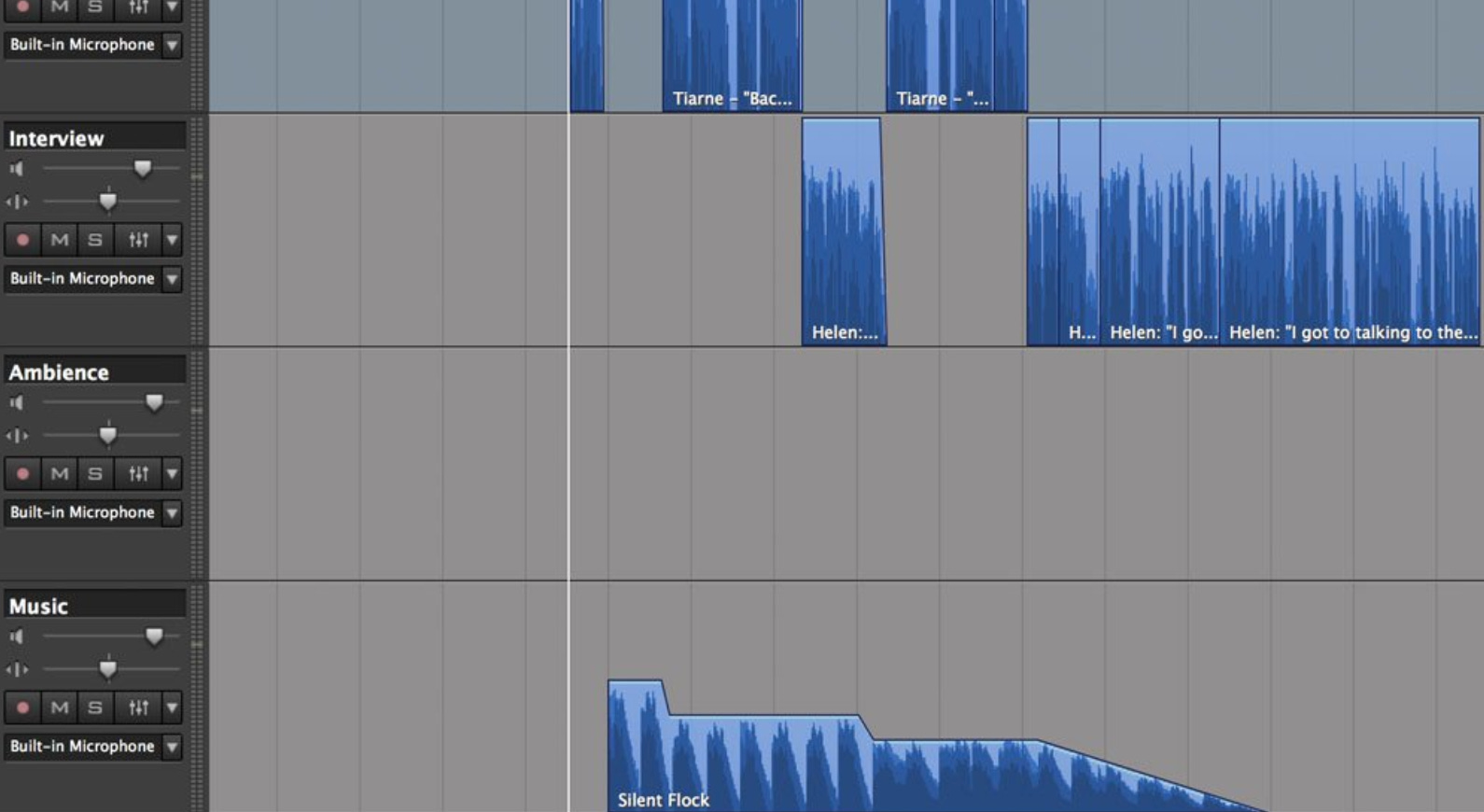
Using Music — a series from Transom
Rob Rosenthal says that “music is emotional fascism. It commands a feeling and you have no say in the matter.” Except, of course, when you’re the person choosing the music. Scoring radio and podcast stories can be one of the most fun parts of a producer’s job. Like Jonathan Mitchell says in his article, “every radio story can be thought of as a piece of music — the talking, the location sounds, even the silences — these are all musical elements. When you add music to your story and let it run under a person talking, what you’re really doing is creating a new piece of music.”
But scoring can also be daunting. Where to begin? How do you know which tone to strike? Luckily, we have a whole series of articles on our website from producers like Mitchell, Jonathan Menjivar, The Kitchen Sisters, and more. Click the link below to explore the archive of tips on using music in your stories:
Have something you want to see an answer to in the tips section? Submit a question here!
From the archives…
The Tree by Cariad Harmon
Musician and producer Cariad Harmon made this piece at the Transom Traveling Workshop in Nashville in 2018. It’s a beautiful, non-narrated short about a man named Robert who is learning to read and write. Here’s what Harmon says she learned about scoring through the workshop:
Before working on this piece I didn’t really understand how to use music effectively in a radio piece. My instinct was to use music in a much more cinematic way, to underscore emotional moments, and punch up the dramatic content of a scene.
Speaking to Rob and working through this process really helped me to use music as a way to delineate scenes, mark changes in direction and move a story forward. I also spent a lot of time finding music that wouldn’t editorialize the story, or push a listener into a particular emotional space. It was a big change in approach for me and it made a huge difference.
Community corner: if we added some subscriber-only bonus benefits to this newsletter, what kinds of things would you be excited about?