Over the Transom | 03.07.25
Directions for survival, non-narrated audio, and a radio diary

Hi! One announcement before we get started:
Samantha Broun has a new project called Small, True Things. Broun goes into high schools around the country and interviews students about who they are and what's on their minds: after-school jobs, failure, nail polish, grief, tuna salad — all the particular things that make up particular lives. In these short audio stories, Broun finds the transcendent in the ordinary. They remind us of our shared humanity through the smallest things. You can listen to a few excerpts featured in this All Things Considered segment, and click the link below to hear more.
A Direction by Jay Allison
When the way is hard to find, it helps to have a compass.
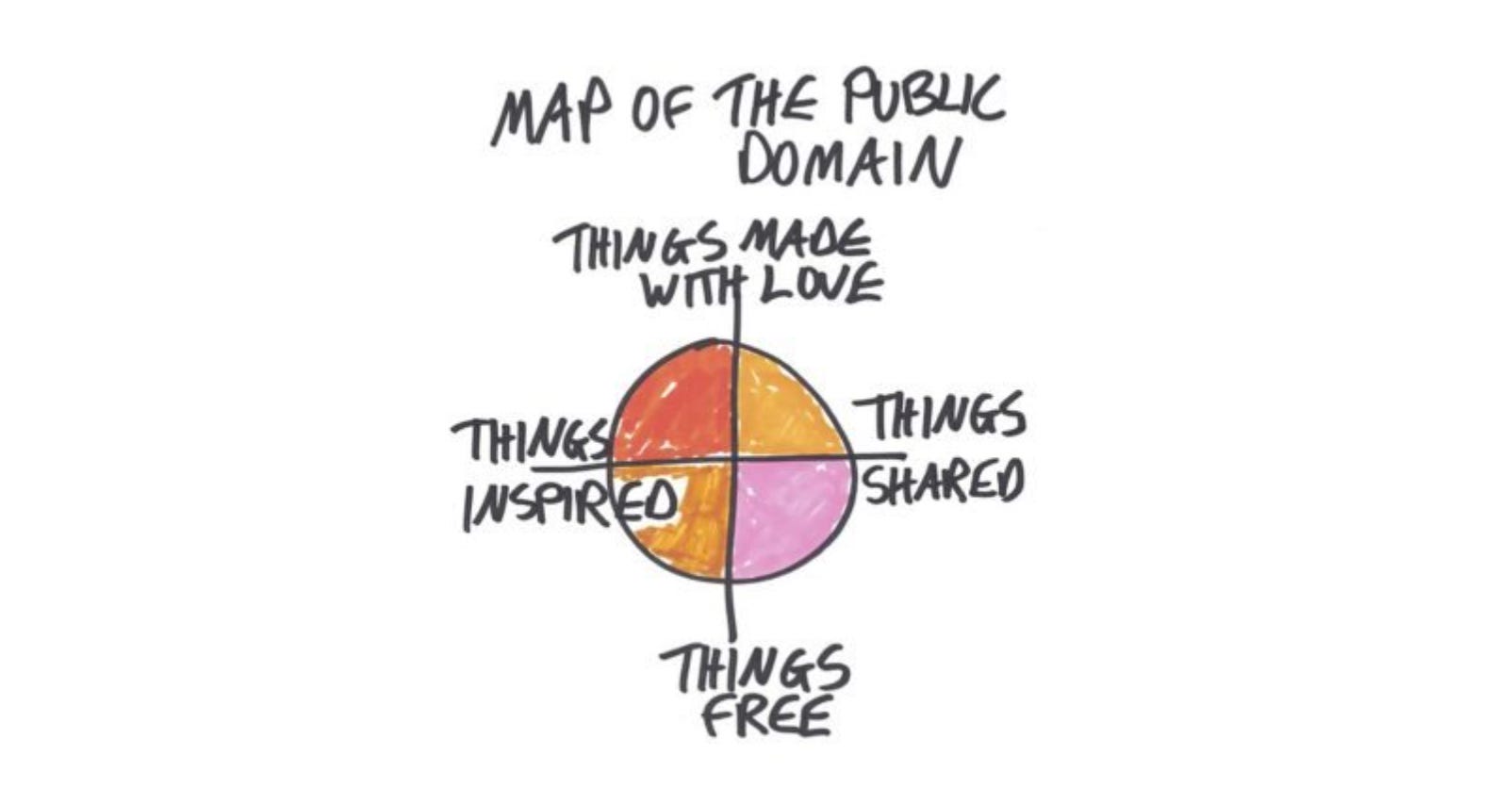
My friend Joe Richman makes little cardinal maps, one per day. Compass points on a theme, a way to get your bearings.
He sent me the one pictured above and it felt pure. In the current national chaos of domination, greed, cruelty, chest-thumping, venality, and cowardice, it’s hard to remember the values that abide, and harder still to stick to them. We get paralyzed at the outrageous things being done in our names. We are in knots. This is how domination, cruelty, and the rest of it work. They freeze us.
But there are ways out. When you’re stuck, help someone. When the story is garbage, tell a true one. When you feel hopeless, respond with art. When obedience is demanded, be wild. When you feel compelled to isolate, be generous. When normalization is tempting, be weird. In the face of ugliness, be beautiful. Wildness, weirdness, truth, art, generosity, beauty…these are tools.
They are the tools that culture remembers. The rest is the noise of history, not the signal.
Recently, in our village of Woods Hole, Massachusetts we had a remarkable outpouring of generosity and beauty in defense of our local public radio station, and an equally remarkable indifference to that outpouring by a public media institution. The community reaffirmed my faith in our public radio signal itself, and in the public domain.
If our institutions fail or are broken, we can still take all the values inherent in our kind of journalism and storytelling and carry them forward. We can use all our techniques. If you’re a fighter, fight. If you’re an investigator, dig. If you’re an educator, teach. If you’re a truth teller, tell. If we’re doing it right, our community will support us. We can cut through the noise and build things together. It requires faith and courage, but what else is new? Is this an optimistic view given the current state of the world? Sure. But it’s also a way to focus and get to work.
That map’s cardinal points are, and always have been, what guides us at Transom. We won’t waver. We were inspired by the original ideals of public media and still are. Let’s stick together. We’re all we’ve got, after all, still bonded by a trust in the fundamental viability of the commons, a broad and deep belief in the virtues of neighborliness, and a commitment to truth and decency in the public domain.
Check out more from Richman’s “Tiny Maps For Big Living” project on Instagram and Facebook
More to explore on Transom.org:
While keeping an eye out for new gear, software, and techniques that might be helpful to Transom readers, Jeff Towne has come across a few sources that he's found consistently useful, or sometimes just entertaining, offering real help in navigating the world of contemporary media production. Read his latest rundown of online audio resources.
In January, the beloved “parenting show for everyone”, The Longest Shortest Time, returned to the airwaves after a five-year hiatus. To celebrate, Rob Rosenthal is revisiting his conversation with the show’s creator, Hillary Frank, on the latest episode of Sound School.
Tip of the week: making non-narrated radio
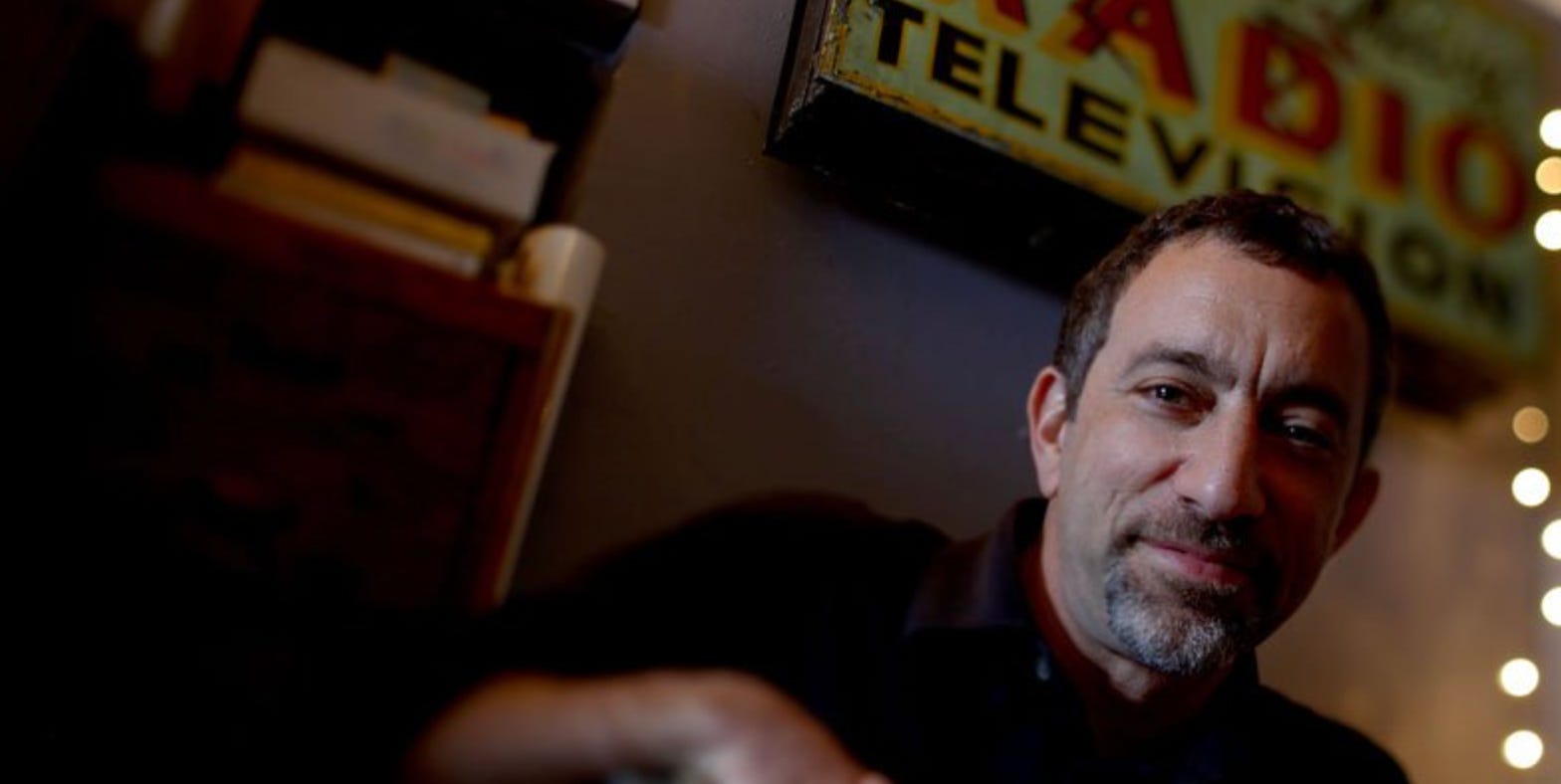
For nearly 30 years, Joe Richman and the team at Radio Diaries have been handing people microphones and asking them to record their lives. Then, they transform that tape into non-narrated pieces that are moving, funny, surprising portraits of humanity. In his Transom manifesto from 2014 titled “My So-Called Narrative Life: How to Turn the Messy, Contradictory, and Often Boring Raw Material of Ordinary Life Into a Story”, Richman gives tips on how to succeed at the difficult task of putting together non-narrated audio, and why this type of storytelling is so affecting.
“I once heard the late Gil Scott-Heron say that the blues is like the wind chill factor. It doesn’t tell you how things are, but how they feel. Radio can do the same thing. Some stories tell you the temperature. Others make you truly feel the cold.”
From the archives
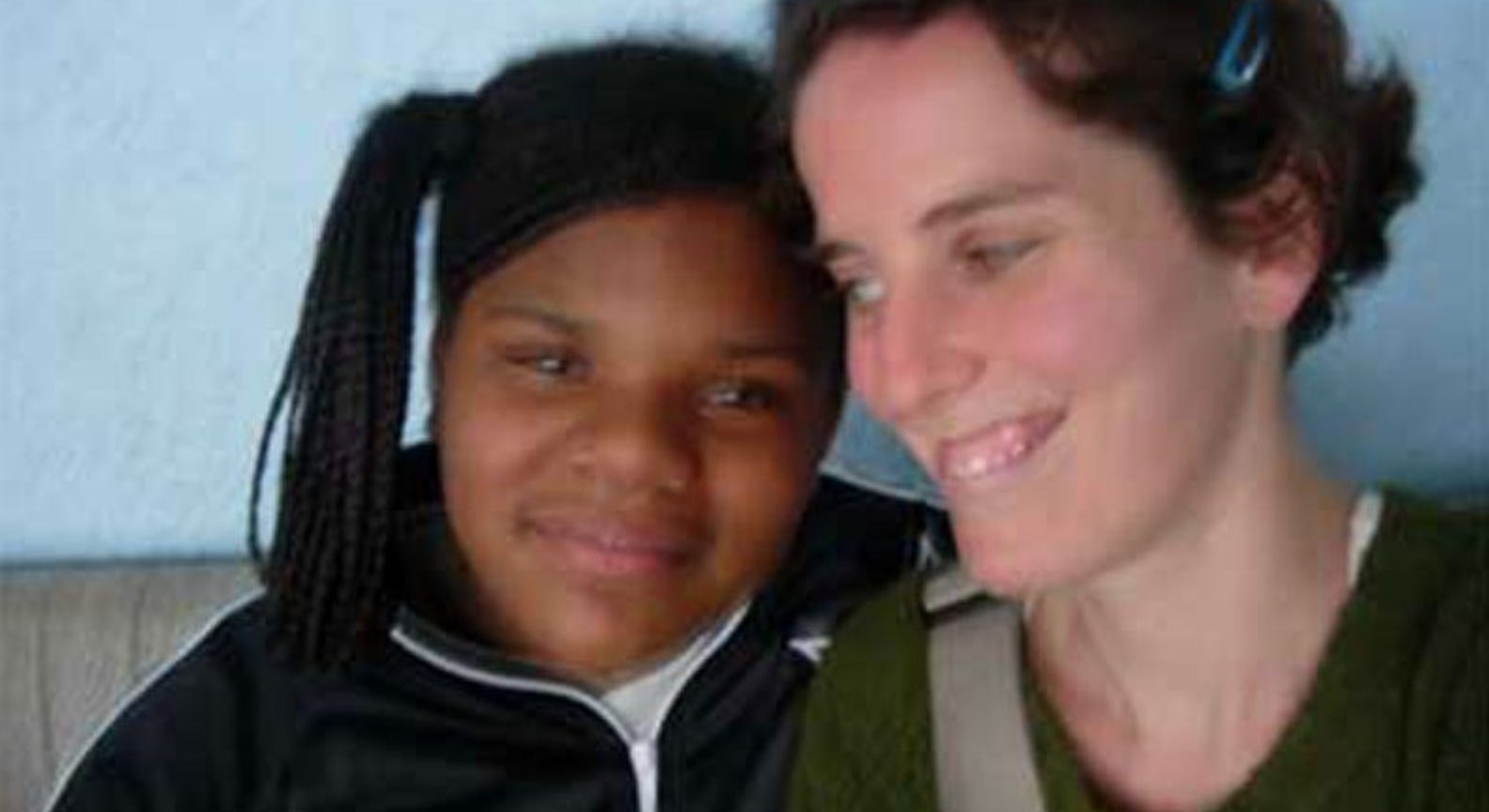
Not All Bad Things by Chana Joffe-Walt and Payton Smith with help from Viki Merrick
In this non-narrated audio diary produced by Chana Joffe-Walt with Transom’s Viki Merrick in 2007, 12-year-old Payton Smith tells the story of what it’s like to be separated from her mother, who has been incarcerated for two years.
“Payton’s the kind of kid who wants to enjoy everything. She looks for pockets of fun in any kind of bleak situation and desperately wants everyone around her to be happy. She’s also the kid that taught me about how complicated it is to have a parent locked up. She maintained pure adoration for her mom when I met her although that changed over the first year I knew her.”
Community corner
This week’s community question: What would you put on your cardinal map of survival?
Forests. “Snowball in hell” defiance. Living, sleeping to the chorus of water around me - ocean, river, rain, waterfalls large and minuscule. A really hot and well steeped cup of chai tea. Besties. Grandkids (in US).