Over the Transom | 03.06.26
Stories from the Salton Sea, weaving in wonder, and Anatomy of a Code Blue

Welcome back! A few announcements:
There’s still time to get tickets for our live show in Brattleboro, VT next week! Join us for an evening of storytelling centered around what it means to be an American today Wednesday, March 11 at 7 pm. The event will be hosted by Jill Lepore and Tom Bodett, and will feature stories from Brattleboro-area community members.
ICYMI: Transom is turning 25 and we want to celebrate with you! Join us this fall from September 17-19, 2026, for a very special homecoming in the radio center of the universe: Woods Hole, MA. We’ll have inspiring speakers, creative sessions, plenty of listening, and a lot of unstructured time to head to the beach. This will be a space to rest, reset, and connect – remembering why we do this work in the first place. We hope you’ll leave with new and rekindled friendships and new collaborators, more tools in your toolkit, and new inspiration to continue to do the good work you do. Keep an eye out for tickets and more details coming soon!
Applications for the Transom Traveling Workshop in Amherst, MA open next week! Join lead instructor David Weinberg in Amherst July 26 – August 2, 2026 for a week of intensive training at the charming and intentional Cherry Hill Co-housing Community.
Hub & Spoke is inviting independent producers from all 50 states (and DC!) to send them a sonic postcard for their new “Sounds Like America” initiative. What does it sound like where you are, right now? They want to hear anything and everything that is hyperlocal to you, wherever you are, whatever your audio background, wherever your walk of life. Select submissions to “Sounds Like America” will be forwarded to us here at Transom and The Listeners with the potential for increased exposure, possible broadcast, and a modest honorarium.
What’s new at Transom


The inaugural Transom Traveling Workshop at Bombay Beach was a huge success! Lead instructor David Weinberg deemed it “spectacular.” If you’re somewhere that’s waiting for spring to spring and you’re craving a taste of the Salton Sea, take a listen to a few of the stories that students produced after their week in this beautiful place:
Start with Julie Wernau’s story about a woman who is helping elderly travelers live out their final days with dignity:
Listen to a story from Sandi Wheaton about a local man’s long life lived in Bombay Beach and why he loves it there:
Finally, listen this story from Zach Shivers about the various waterways of Bombay Beach — including its sewage ponds. (Thank goodness you can’t smell this story)
Keep an ear out for more stories from Bombay Beach on The Listeners!
More to explore on Transom.org:
Looking to upgrade your portable field recording gear? Lucky for you, Transom’s Tools Editor Jeff Towne has written an extensive review of the latest model of the Zoom recorder — the H5studio.
Read producer Will Coley’s extensive write up of tips for how to successfully pitch stories to existing shows as a freelancer.
After you read his tips, listen to Coley on the latest episode of Sound School, where he and Rob Rosenthal discuss how Coley finally got someone to green light a story about public nudity.
Tip of the week: how to weave in wonder
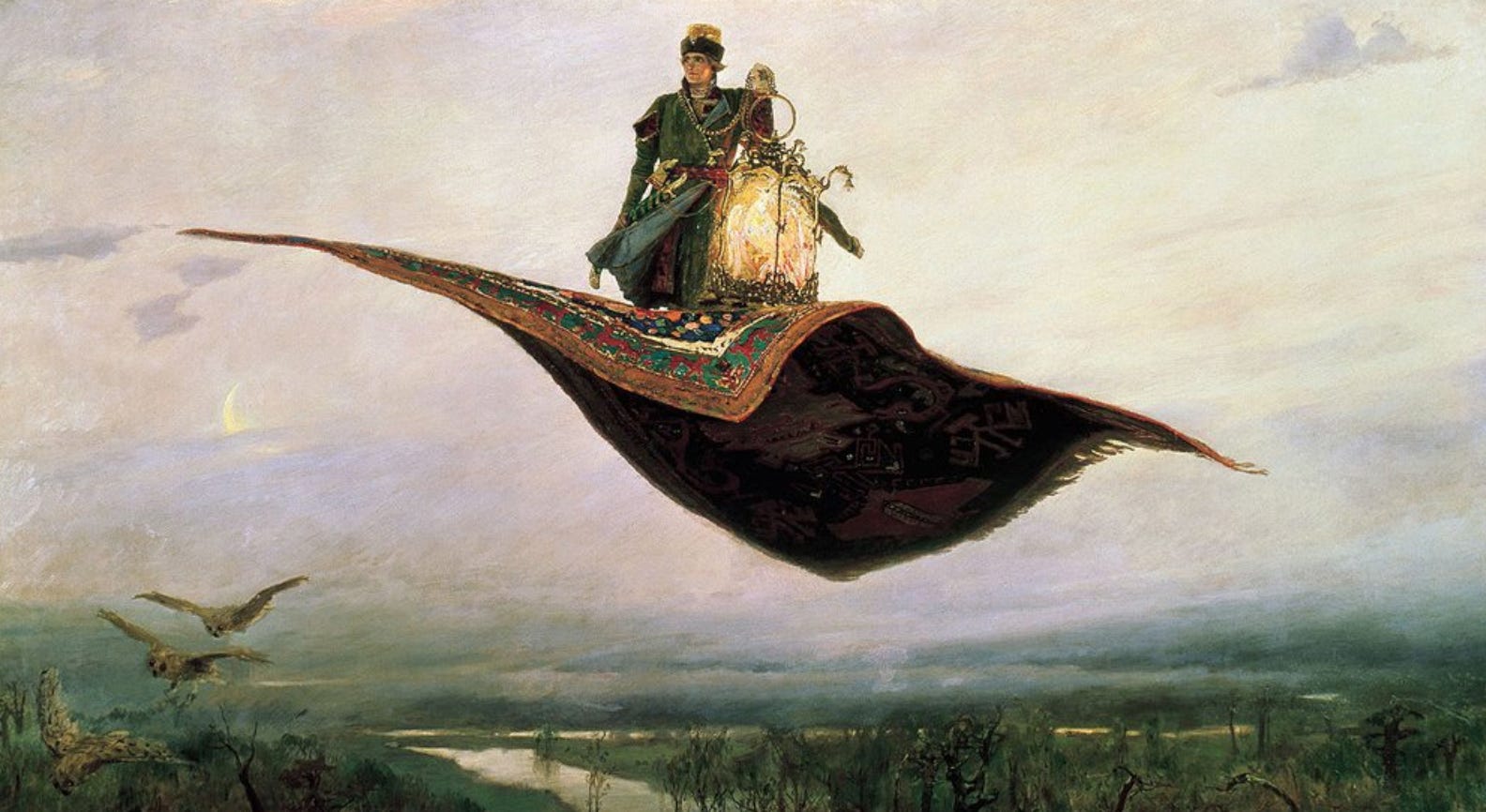
Radio-makers and podcasters have a tendency to over explain. We’re writing for the ear, after all, and we need to be clear and concise and make sure our listeners understand the story we are telling. But this can crowd out space for wonder, which is a tragedy, because wonder is a life force. “When someone tells me an intriguing fact or a funny anecdote, I feel intellectual interest. I’m curious; I’m engaged,” documentarian Cathy FitzGerald writes in her 2017 Manifesto for Transom. “But when I experience wonder, I’m transported, awe-struck, deeply moved. Explaining is about bringing clarity; making sense of the complicated and the confusing. Wonder is about spell-bound incomprehension in the face of the strange.” FitzGerald wrote about ways to weave in wonder in your audio stories while also preserving the plot, from the obvious (being quiet enough to get moments of wonder on tape) to the less intuitive:
Pay Attention to the Subconscious of the Program
When we tell / explain we tend to talk directly to the listener. We’re rational, logical, up-front. But how about more subterranean forms of communication; meaning that’s partially sensed, rather than fully grasped? I like to bury patterns of metaphor and imagery in my documentaries: recurring ideas and themes that deepen and intensify the activity on the surface. Sounds too can work in the same way (for more on this see Alan Hall’s beautiful, coruscating essay, “Cigarettes and Dance Steps” in Reality Radio). The listener rarely processes this kind of stuff consciously — but that’s good. . . we want these subtleties to sink into the dark water of the deep mind almost without being noticed. They create a sense of wholeness in a work, a feeling of hidden depth and meaning.
From the archives
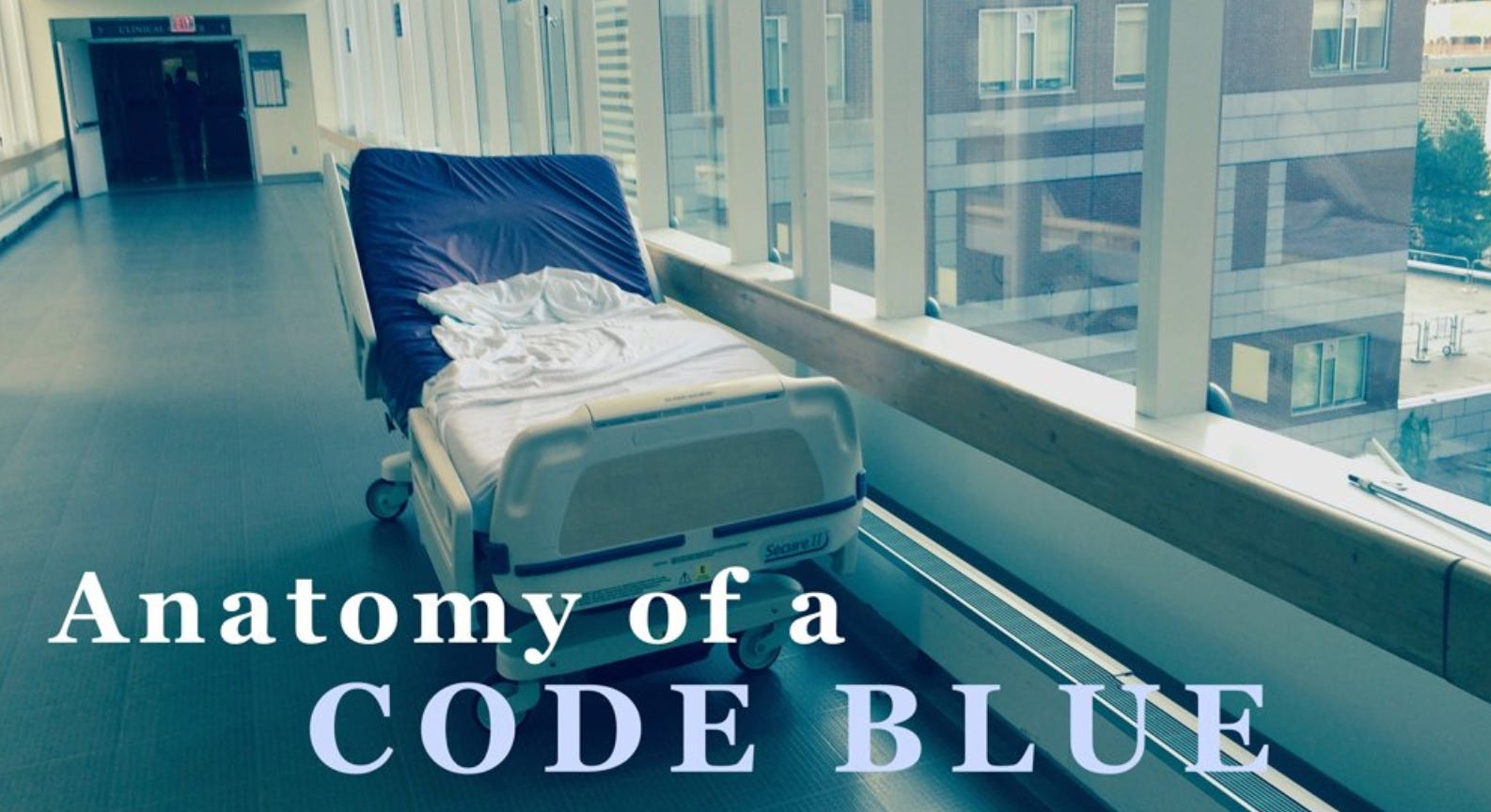
Anatomy of a Code Blue by Sam Slavin with Viki Merrick
One reason a show like “The Pitt” on HBO is so satisfying to watch (if you can stomach it) is that it’s comforting to see competent people handle a crisis. The crises on “The Pitt” are often sensational because it’s fiction, but a crisis that plays out nearly every day in real life at real hospitals is a “code blue” — the dramatic attempt to restart the heart when a patient flatlines. In this piece from 2015, Sam Slavin, a third year student at Harvard Medical School, conducted over 30 hours of interviews with every person at Beth Israel Deaconess Medical Center in Boston who is involved when a code blue happens. Nurses, doctors, interns, priests — Slavin talked to them all in an effort to understand how this fight against death affects the people who take it up.
You’ve seen it on TV. The line on the heart monitor goes flat. Reassuring beeps are overtaken by the ominous, solid tone of death. Doctors come running, throw electric paddles on the chest and yell, “Clear!” The patient springs back to life — most of the time, at least on TV.
Yet a “code blue” can also be traumatic. A large nurse throws his entire weight onto the chest of a frail ninety-year old, cracking multiple ribs. A doctor tears off the patient’s gown. Each chest compression launches blood from the patient’s mouth showering his naked body. Drugs upon drugs squeeze blood to vital organs, but when his heart starts again most of his brain may have already died from lack of oxygen.
A “code blue” is hospital-speak for advanced cardiopulmonary resuscitation. It is an attempt to restart the heart when it has stopped. On television codes are successful 75% of the time. In reality about 20% of patients live to leave the hospital. Whether a code is a magnificent life-saving feat or a brutal exercise in futility depends entirely on the overall condition and context of the patient’s life. In many cases the outcome is very difficult to predict.
In weaving together the narrative of a code, my goal was not to answer the incredibly complex question of when or whether we should attempt to resuscitate. Rather, I wanted to explore what happens to hospital staff when grappling with acute uncertainty around our ability to combat death.
Community corner
This week’s question: how do you preserve moments of wonder in your audio stories? Let us know in the comments!
Is there a deadline for The Sounds of America project?