Over the Transom | 02.20.26
How to pitch existing shows, the art of the pre-interview, and becoming a flâneur

Hi there! One exciting announcement before we get started:
Transom is turning 25! And we want you to celebrate with you. Join us this fall from September 17-19, 2026, for a very special homecoming in the radio center of the universe: Woods Hole, MA. We’ll have inspiring speakers, creative sessions, plenty of listening, and a lot of unstructured time to head to the beach. This will be a space to rest, reset, and connect – remembering why we do this work in the first place. Speakers, ticket details, sessions, and more to come soon! Mark your calendars and keep an eye out.
What’s new on Transom

Pitching is a Portal by Will Coley
There are tons of podcasts. Some might say too many. But the upside? Tons of opportunities to pitch stories to existing shows. Which is why Will Coley, along with help from colleagues across the industry, compiled this spreadsheet of over 100 places that audio producers can pitch their stories to. In a new piece for Transom, Coley breaks down the process from top to tail — finding stories, writing successful pitches, negotiating payments, dealing with rejection, and more.
Writing a pitch
Keep it short: No more than 500 words or two paragraphs. If it’s via email (and not an online pitch form), write a subject line with “PITCH” and a compelling headline. Add “Timely” in the subject line if it’s a breaking or time-sensitive story.
Start with a one-sentence bio that succinctly includes a few other shows you’ve produced for.
Then write about your story in 2-3 sentences. Sally Herships sees this story summary like a compressed accordion that you can easily expand and fill in if/when the pitch is accepted.
Include why you think the story is a good fit for their show, why it’s important now, and why you should produce it. Katie Thornton sometimes includes a sentence about how her story idea has a similar approach to a story that the show has already produced on a different topic.
More to explore on Transom.org:
February’s All Hear is here! Includes the usual roundup of opportunities and an exciting call out for audio works to feature at the 2026 HearSay festival in Kilfinane, Ireland.
Revisit an old favorite episode of Sound School in which Rob Rosenthal and Noel King dissect her radio writing technique: telling stories.
Tip of the week: the art of the pre-interview

Calling up the subjects of your story and doing a quick pre-interview to make sure you’ll be able to get what you need is a crucial part of a successful pitch (and later, story). But as Sally Herships points out, this process can be very awkward. “It’s a tricky dance,” Herships writes in this piece about the art of the pre-interview. “You’ve told your subject that you want to find out all about them… They want to tell you. They are ready to talk. And you want them to — just not too much.”
Herships wrote this helpful guide to getting it right.
You may be worried about feeling pushy or rude. To me, it’s rude not to be transparent and let potential interviewees know exactly what’s in store. It’s rude not to ask questions. Ultimately, you’re going to be representing this person and telling their story. You need to get the facts straight.
You need to make sure they’ve got their facts straight too. It doesn’t matter if they’re supposed to be an expert. If you’re unsure, ask them what the source is of the information they’re quoting.
From the archives
Olive Samuel Greenspan’s Manifesto
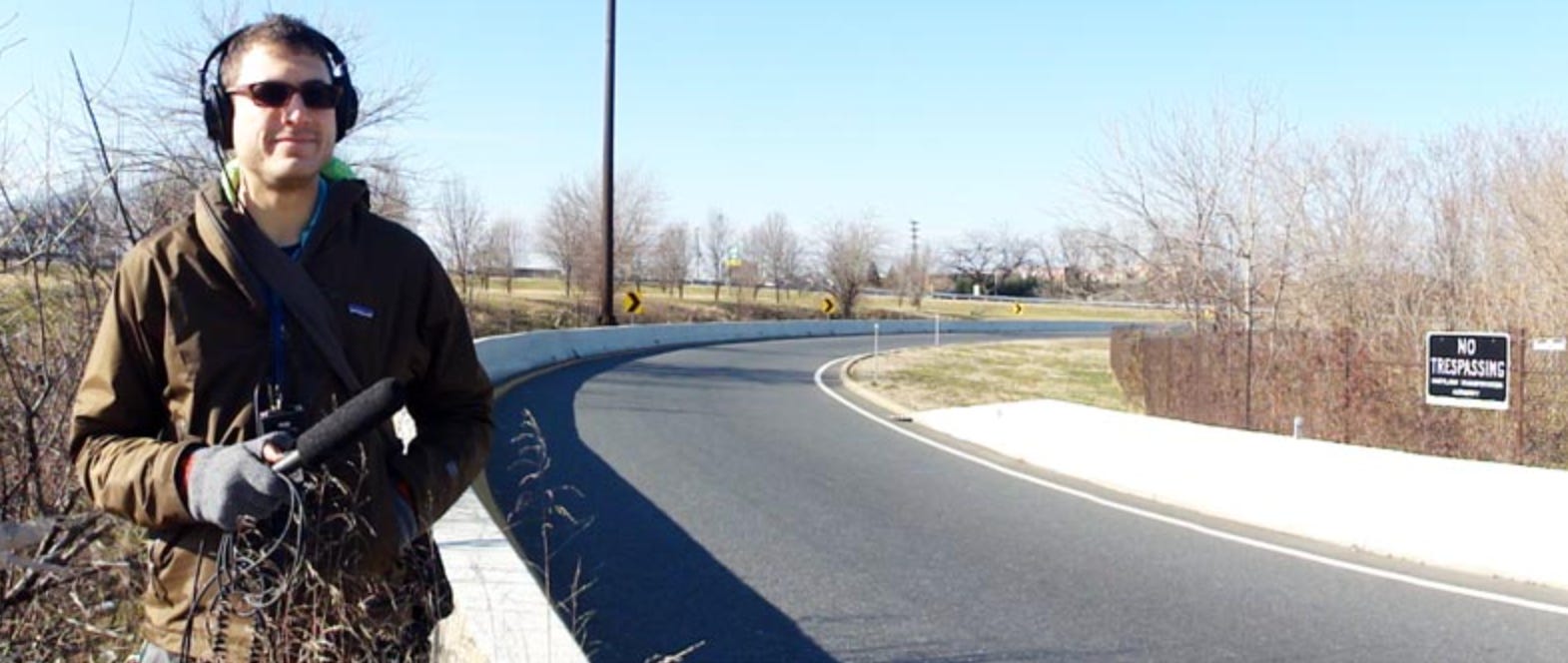
Olive Samuel Greenspan is a filmmaker, writer, and radio producer based in Los Angeles. Previously, they used the name Sam Greenspan. They were a founding producer of 99% Invisible, a show about “all the thought that goes into the things we don’t think about — the unnoticed architecture and design that shape our world.” But stories about objects and architecture can be uniquely hard to tell. In their manifesto for Transom, Greenspan had one piece of advice for how to do it, and how to notice that which goes unnoticed: take a walk. Learn from writers like Charles Baudelaire and become a “flâneur”.
19th Century Paris saw the emergence of a “leisure class.” Men (and they were men) would amble aimlessly, on foot, noticing all the small fragments of their city. They took to calling themselves flâneurs, from the French verb “flâner”, meaning “to stroll, loiter, lounge, saunter, or dawdle.” Some flâneurs, it is alleged, strolled with their pet tortoises, leashes around their shells, to boast exactly how much free time they had… I say: put walking in your reporting. Become a flâneur as you report. …
Baudelaire considered the flâneur a “connoisseur” or “botanist” of the street, who engages with the immediate world by taking the time to walk, and look, and listen. Someone both of the world yet detached enough to notice what’s going on behind the scenes.
Community corner
This week’s question: How do you recalibrate a story if the pre-interview doesn’t pan out how you were hoping it would? Share your stories in the comments!