Over the Transom | 01.23.26
The Art of the Residency, filmmaking vs. radio making, and A Dancing Life

Happy Friday! Here are some announcements and reminders:
Applications for our workshop in partnership with The Hundredth Hill Artist Retreat in Bloomington, IN are now open! Visit this link for more information and apply before February 20, 2026.
Want to spend a month in the Adirondacks this summer working on whatever you want? Apply for Blue Mountain Center’s residency program! Applications are due February 1st. Learn more and apply here.
Vermont locals — join us for an evening of live, true stories told by Brattleboro-area community members as part of Retreat Farm’s America at 250 series. Get your tickets here! And if you’re interested in being a storyteller, visit this link for more information.
What’s new on Transom
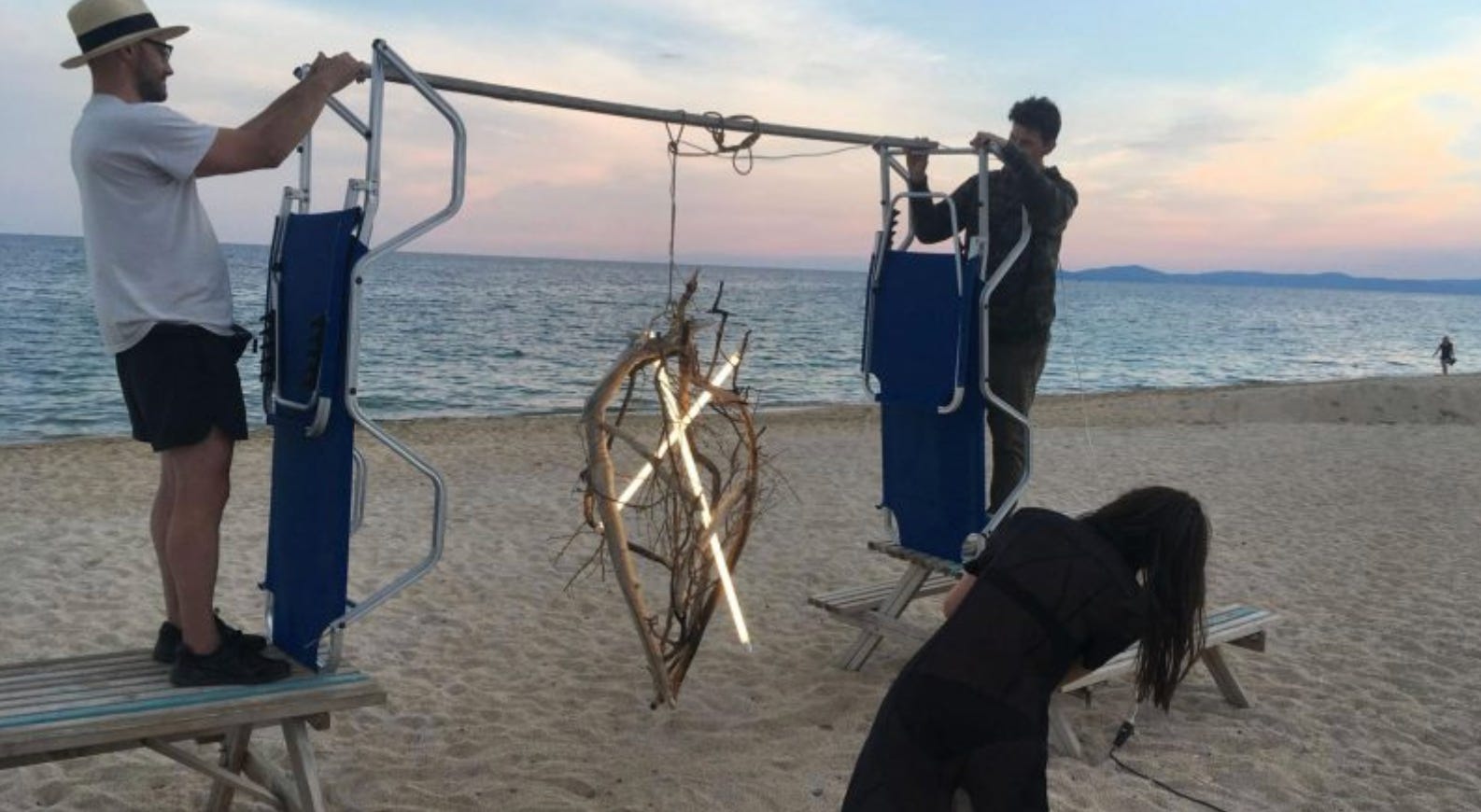
The Art Of The Residency: What Audio Artists Need To Know About These Creative Sanctuaries by Avery Thompson
Maybe you’ve seen our various callouts in this newsletter to apply for this workshop or that residency. Maybe you’ve thought to yourself — what is a residency? What goes on there? How do you find one? What do you do while you’re there? Lucky for us, writer, producer, Transom alum, and overall residency expert Avery Thompson has written this extremely detailed rundown of everything you need to know. He answers questions big and small, and links to a ton of opportunities coming up. And it’s tailored to audio makers like us. Read it at the link below.
“It is not hyperbole to say that residencies have changed my life. They’ve deepened my understanding of art, of life, and of myself. They’ve challenged me in ways I didn’t know I needed, and blessed me with friends from all over the world that I can no longer imagine living without. They’ve given me the confidence to call myself an artist. And in spite of our industry and culture’s many recent attempts to extinguish artistic flames, artist residencies have provided the safe harbor creativity needs.
So please, as the audio artist that you are, I hope you’ll consider applying to one, and then another, and another.”
More to explore:
What would happen if you let the subject narrate the story? In this week’s Sound School, Rob Rosenthal investigates this news taboo.
Check out the January edition of All Hear, featuring an interview with former Blue Mountain Center resident Charlie West.
Tip of the week: radio for filmmakers and film for radio makers
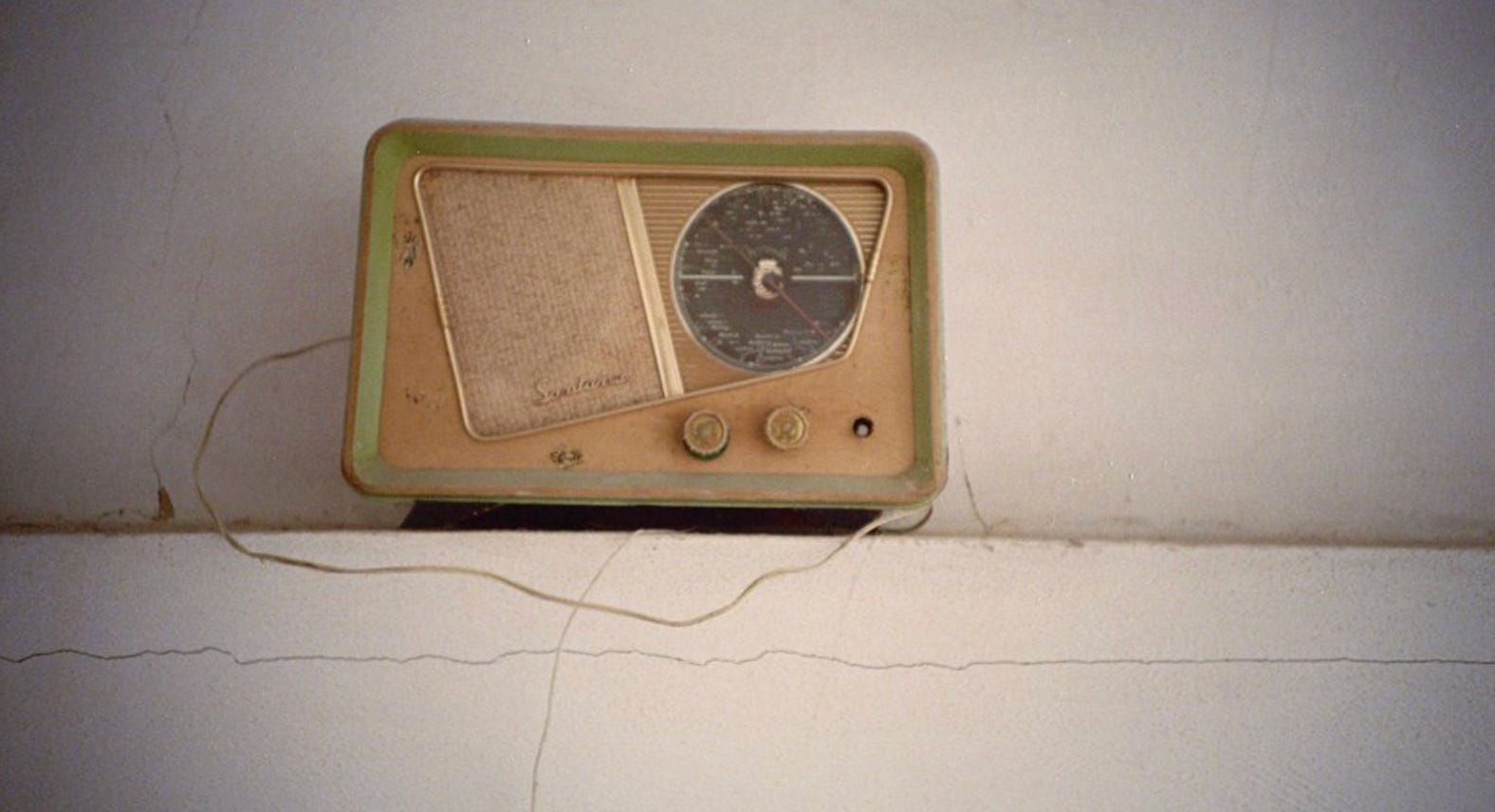
Documentary filmmakers and documentary radio makers have a lot in common — both rely on strong interview skills, writing, and research. But there’s a ton that doesn’t transfer, and shifting between mediums requires a targeted approach.
Learning an entirely new method takes more than a scan of an article of course, but you need to start somewhere. If you’re a filmmaker thinking about experimenting in audio, check out this piece from Ben Shapiro, who talks about the distinctions between each:
“Unlike film, radio also allows a kind of unconstrained flexibility in editing and scene construction. Imagine being able to edit within a shot, down to the length of the pacing between words or phrases, and even the rhythm and movement of each scene action. In film, this kind of play with form is limited. In radio, it is straightforward and typical, and offers countless possibilities. The radio producer (who is also usually the cutter) becomes a kind of writer/director, marshaling the words and speech of others. What appears a straightforward portion of a finished piece — a well-shaped monologue, a direct scene that conveys the necessary information to advance the story or build character — was likely the result of much deliberation, construction, trials, re-shuffling, reconsiderations, often among a group of collaborators.”
On the other hand, it seems like all of us audio people would be wise to learn a thing or two about video. The equipment can seem daunting when you’re used to a handheld mic and headphones, but Jay Allison’s list of notes to himself when he was working for ABC News Nightline makes clear the expansive possibilities of film once you get over that fear:
Jay’s Tips
Just shoot, so you have a ton of ingredients later. While you’re shooting, you don’t know exactly how the scene will play out, so don’t pre-edit it in your shots and angles.
Get details, so you don’t know where you are or who is who, e.g. I forgot to get really tight shots of a softball game. I should have gotten mitts, the ball in the air going different directions, feet running, a bat on the ground, someone picking up a bat, etc. etc. That stuff also helps you change direction to someone moving right-to-left to left-to-right.
Keep both eyes open looking around. Look for the unexpected, e.g. Cut to cat sharpening its nails in a tense domestic situation.
Get extraneous stuff when you’re doing a portrait to take the focus off the principal, e.g. in courthouse: shoot others coming and going, hands and feet, newspapers, court seal, gavel, view out the window, a door opening, closing.
If doing a story about a PLACE, get lots of angles, different times of day, different weather. Shoot at night.
For a large crowd scene, get good wide establishing shots from different angles, then get groups of 2 and 3 looking various ways, also shots looking down a line of people, and close shots, and extreme close-ups of details. Get listening shots. All these things allow you to use various angles, and switch the apparent left and right.
From the archives
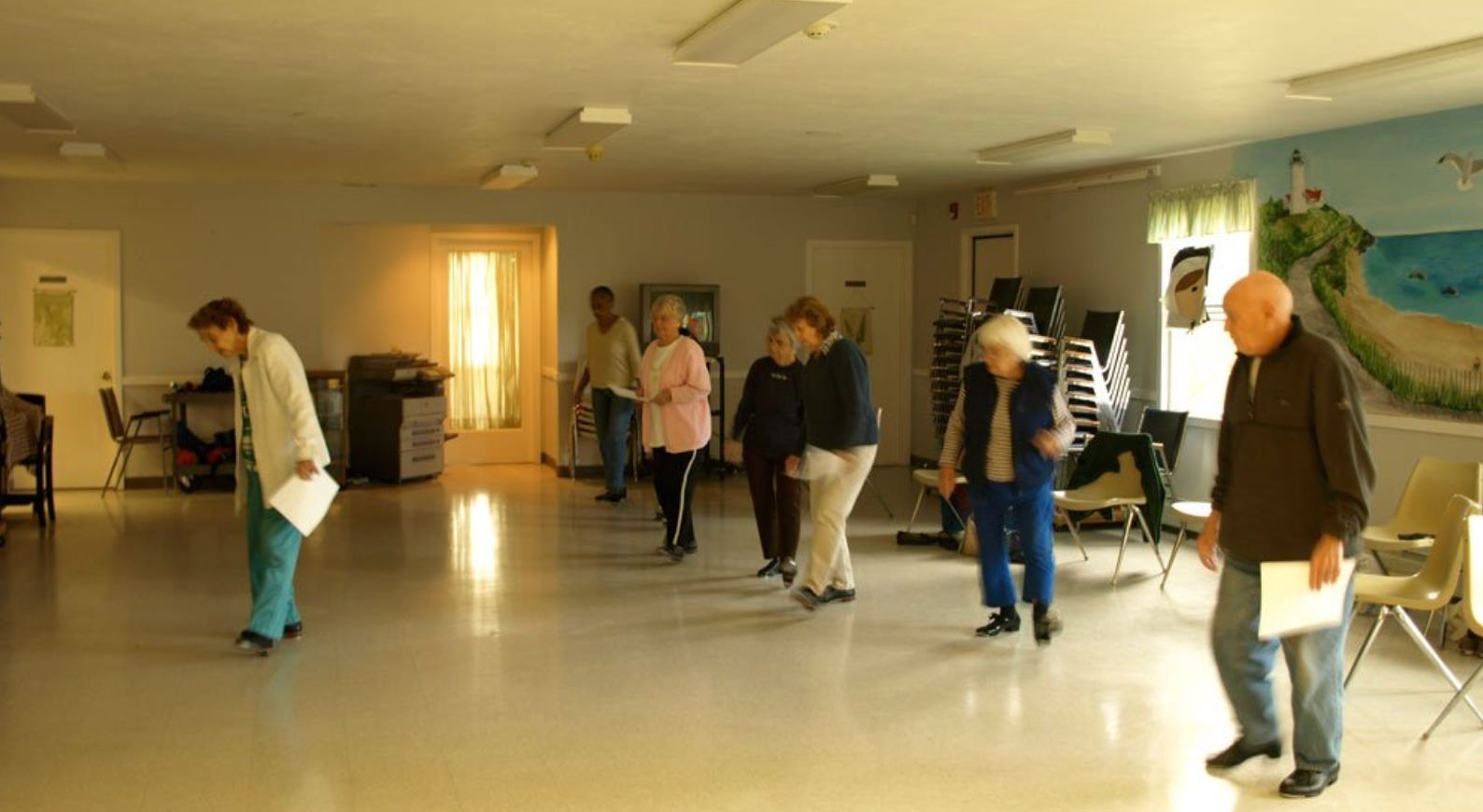
A Dancing Life by Mary Helen Montgomery
Spend four minutes this Friday afternoon delighting in the story of 91-year-old tap dance teacher Margaret Rogers. This piece was made by Mary Helen Montgomery for the first ever Transom Story Workshop in 2011.
Community corner
This week’s question: what can radio makers steal from filmmakers and vice versa? Sound off (pun intended) in the comments!
Wow, the piece by Avery Thompson on the art of residencies truely stood out to me. That quote, "It is not hyperbole to say that residencies have changed my life," is just so powerful. It perfectly captures the transformative potential of stepping outside your everyday to dive deep into a creative or intellectual project. Such a great and insightful read!